
What does a 35W dual-port charger offer compared with a single-port 30W model?
Talk · Selection · Wired GaN chargers: wattage, ports & protocols
What does a 35W dual-port charger offer compared with a single-port 30W model?
The dual-port model lets customers charge two devices at once, such as a phone and earbuds or a phone and a tablet, but the 35W is shared, so each device gets less when both are connected.
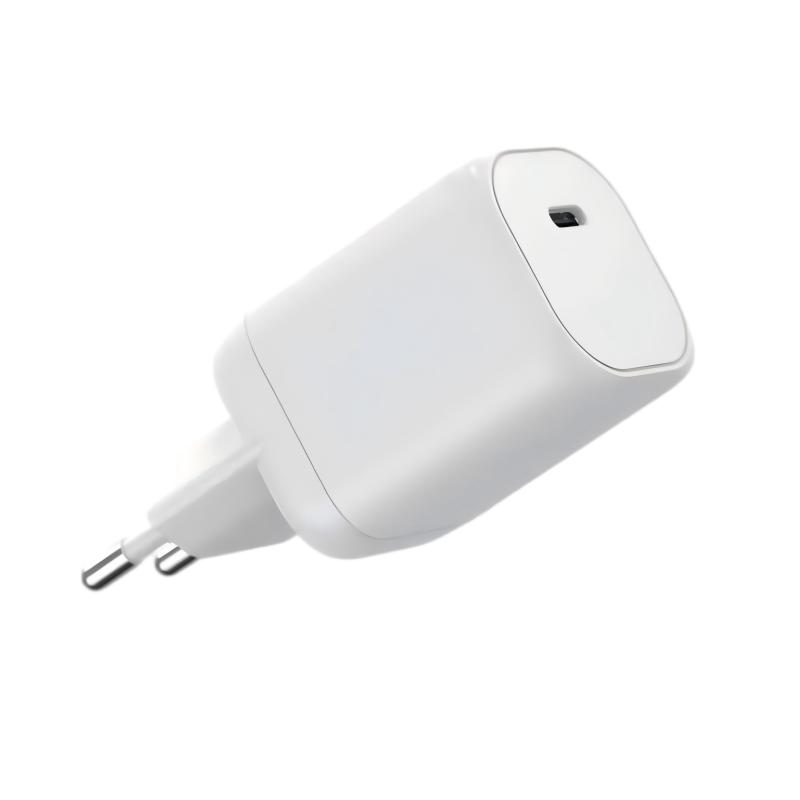
We are choosing between a 35W dual-port charger and a 30W single-port charger for our range. What is the real difference for customers?
Short answer: The dual-port model lets customers charge two devices at once, such as a phone and earbuds or a phone and a tablet, but the 35W is shared, so each device gets less when both are connected. The single-port model gives its full power to one device and is simpler and often smaller. Choose by how customers use them.
What the numbers mean
The 35W of a dual-port charger is usually the total across both ports. When one port is used, that device may get the full power or a large part. When both are used, the power is split, so each gets less. A 30W single-port charger gives up to 30W to one device.
What the dual-port gives
- Two devices at once. Handy for households and travel.
- One socket used. Saves space.
- Slightly higher peak power on a single port in some designs.
- Value perception. Two ports look like more for the money.
What the single-port gives
- Simplicity. One port, one clear rating.
- Small size. Often more compact.
- Lower cost. Fewer parts.
- Full power for one device.
How power is split
Read the table for the dual-port model: it should show the power on each port alone and when both are used. For example, a phone may get full speed alone, and less when a second device is added.
Who should choose which
- Dual-port: people who charge two devices together, travellers and families.
- Single-port: people who charge one phone or tablet, or who want the smallest charger.
Questions for suppliers
- What is the power on each port alone and together?
- What temperatures does it reach with both ports used?
- Which charging methods does each port support?
- How does the size and cost compare?
Range planning
Offering both gives customers a choice and a step up in price, with clear differences in the listing.
Quick summary
Dual-port wins on convenience, single-port on simplicity and full power for one device.
Example customer scenarios
A commuter who charges a phone and earbuds at the same time gains from the dual port. A student who charges only a phone at night gets the same result from either. A traveller with a phone and a small tablet may prefer the dual-port even if charging is a little slower, because it needs only one socket in a crowded room.
Where this answer says to confirm with Wecent, the detail is not published on the product page and has to come from the datasheet or the factory. General facts come from the regulators, standards bodies or device makers named in the text.
Three more perspectives
Products discussed in this thread
Related articles & topics
Have a sourcing question about your own programme?
Ask our teamMore Wired GaN chargers: wattage, ports & protocols questions