
Marketplaces have become the de facto compliance gate for consumer electronics, and a charger listing is audited on documents and claims rather than on the product’s reputation.
This article sets out what is requested, which claims trigger scrutiny and how to prepare a file that answers a request quickly.
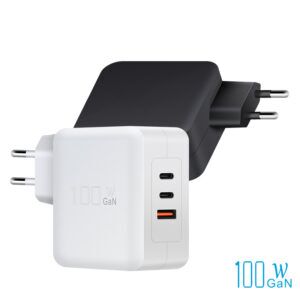
What documents do marketplaces request for chargers?
Typically the safety test report, the efficiency documentation, the declaration of conformity and a product image showing the label. Requests arrive after the listing is live, so the file has to exist before it is needed.
The documents have to name the model on sale, which is why model naming belongs in the certification plan rather than in the packaging review.
Safety documentation and test reports
The report should cover the specific model and, where a family approval is used, state the configurations covered. A report that names a different code from the listing is the most common reason a request escalates.
Wattage and compatibility claims that trigger audits
Claims that a product is compatible with a named device family, or that it delivers a specific wattage to every device, attract scrutiny because they are testable. Statements about the charger’s capability supported by the split map are safer than statements about other devices’ behaviour.
Images, product pages and wattage disclosure
Listing images have to show the product as delivered, including the label, and the description should state the input and output values. Images that imply a cable or accessory not included generate returns and complaints in addition to compliance questions.
Battery and lithium shipping restrictions
Power banks and battery-containing accessories fall under transport and storage rules, which affect listing requirements and fulfilment. The documentation set includes the battery information alongside the product’s own records.
EPR and EU listing requirements
In the EU, marketplaces validate producer registration before publishing listings in many categories, which makes registration a listing prerequisite rather than a back-office task.
Recovering a suspended or blocked listing
Recovery depends on evidence: the model-level report, the declaration, the label image and, where relevant, the registration number. Having them filed by model code is what turns a suspension into a submission rather than an investigation.
Preparing a listing file before launch
Five items make up the file: the model-level test report, the efficiency documentation, the declaration of conformity, the label image and the battery information where applicable, plus the registration numbers for the markets sold into.
WECENT produces model-level specifications and per-batch inspection records from its quality control gates for charger and power bank programmes, available under NDA through its OEM/ODM programme, with the range listed in the product catalogue.
Amazon listing charger compliance: the pre-launch file
Amazon listing charger compliance rests on a file assembled before the listing goes live: the model-level test report, the efficiency documentation, the declaration of conformity, a label image, battery information where applicable and the producer registration numbers for the markets sold into.
Reference standards for this topic
Where a programme needs the primary documents, the relevant references for this topic are published by the standards bodies and regulators: USB-IF: USB Power Delivery, ISTA: transit test protocols, Regulation (EU) 2019/1782, 10 CFR Part 430, 47 CFR Part 15.
FAQ
What documents does Amazon ask for on a charger listing?
Typically the safety test report, the efficiency documentation, a declaration of conformity and a product image showing the label, all naming the model on sale. Requests usually arrive after the listing is live.
Which claims trigger a compliance review?
Claims about compatibility with a named device family, or about delivering a specific wattage to every device, because they are testable. Statements about the charger’s own capability are safer than claims about other devices’ behaviour.
Do power banks have different listing requirements?
Battery-containing products carry transport and storage rules in addition to the product documentation, which affects fulfilment and listing requirements. The battery information belongs in the same file as the product records.
Do I need EPR registration before listing in the EU?
In many categories marketplaces validate producer registration before publishing a listing, which makes registration a prerequisite rather than a back-office task.
How do I recover a suspended listing?
By submitting the model-level report, declaration and label evidence quickly. Filing documents by model code is what allows a suspension to be answered as a submission rather than investigated from scratch.
Preparing a marketplace listing?
Share the models, markets and channels, and WECENT will confirm the documentation, labelling and batch records available for the listing file.
{“@context”:”https://schema.org”,”@type”:”FAQPage”,”mainEntity”:[{“@type”:”Question”,”name”:”What documents does Amazon ask for on a charger listing?”,”acceptedAnswer”:{“@type”:”Answer”,”text”:”Typically the safety test report, the efficiency documentation, a declaration of conformity and a product image showing the label, all naming the model on sale. Requests usually arrive after the listing is live.”}},{“@type”:”Question”,”name”:”Which claims trigger a compliance review?”,”acceptedAnswer”:{“@type”:”Answer”,”text”:”Claims about compatibility with a named device family, or about delivering a specific wattage to every device, because they are testable. Statements about the charger’s own capability are safer than claims about other devices’ behaviour.”}},{“@type”:”Question”,”name”:”Do power banks have different listing requirements?”,”acceptedAnswer”:{“@type”:”Answer”,”text”:”Battery-containing products carry transport and storage rules in addition to the product documentation, which affects fulfilment and listing requirements. The battery information belongs in the same file as the product records.”}},{“@type”:”Question”,”name”:”Do I need EPR registration before listing in the EU?”,”acceptedAnswer”:{“@type”:”Answer”,”text”:”In many categories marketplaces validate producer registration before publishing a listing, which makes registration a prerequisite rather than a back-office task.”}},{“@type”:”Question”,”name”:”How do I recover a suspended listing?”,”acceptedAnswer”:{“@type”:”Answer”,”text”:”By submitting the model-level report, declaration and label evidence quickly. Filing documents by model code is what allows a suspension to be answered as a submission rather than investigated from scratch.”}}]}