Charger products are copied quickly, and the protection available depends on what was registered before the copy appeared. Brand names, logos and enclosures each fall under different rights with different registration paths.
This article covers what each right covers, the checks worth running before tooling and what to require from a supplier.
What do trademarks and design patents protect?
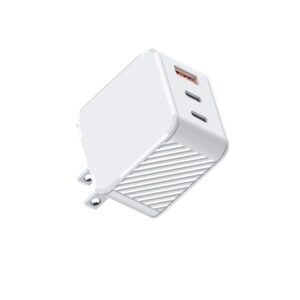
A trademark protects the brand identity: the name, the logo and, in some cases, distinctive product presentation. A design patent or registered design protects the appearance of the product itself, including its shape and surface treatment.
The two are complementary: a competitor that changes the brand name but copies the enclosure is addressed by the design right, and one that imitates the brand identity is addressed by the trademark.
Trademark classes for electronics and accessories
Registration is per class, and electronics and accessories fall into classes that may not be the same for chargers, cables and packaging. Registering in the classes that match the actual product mix avoids gaps.
Design patent scope for enclosures
The design right covers what is visible and distinctive rather than the internal design. That is why the enclosure drawings and the tooling files are the documents that matter, and why the design should be finalised before the application is filed.
Freedom-to-operate checks before tooling
A search before tooling is cheaper than a redesign after launch. The practical check covers the appearance of competing products in the target markets and any existing registrations that could be asserted against the new enclosure.
Where a platform is shared with other buyers, the check should also cover whether the enclosure variant is distinctive enough to separate the products.
What to require from a factory in writing
Three written items protect the buyer: the ownership of the tooling, the confidentiality of drawings and files, and a statement of which design elements belong to the buyer. Verbal assurances are not evidence in a dispute.
Enforcement options for look-alike products
Enforcement depends on what is registered: a design right provides a defined basis for action, a trademark addresses brand imitation, and unregistered rights are harder to assert. The practical preparation is evidence of the design’s first use and the registrations themselves.
Budget and timeline expectations
Registration costs vary by market and by the number of classes, and the process takes months rather than weeks. Filing before launch is materially cheaper than filing after a copy appears, because the application date is the priority date.
Aligning intellectual property with the product programme
The IP plan should name the models, the enclosures and the brand elements covered, so that the registration list and the product line stay aligned as the range changes.
WECENT works with brands across quick OEM, enhanced OEM and full ODM levels through its OEM/ODM programme, with sampling and per-batch inspection records from the quality control gates, and the platform range is listed in the product catalogue.
Reference standards for this topic
Where a programme needs the primary documents, the relevant references for this topic are published by the standards bodies and regulators: USB-IF: USB Power Delivery, ISTA: transit test protocols, Regulation (EU) 2019/1782, 10 CFR Part 430, 47 CFR Part 15.
FAQ
Can I patent a charger design?
The appearance of an enclosure can be protected through a design patent or registered design in many markets, while the brand identity is protected through a trademark. The two cover different aspects of the product.
What should I check before tooling a new enclosure?
A freedom-to-operate search covering the appearance of competing products in the target markets and any existing registrations that could be asserted. Running it before tooling avoids a redesign after launch.
What should I require from a factory in writing?
Tooling ownership, the confidentiality of drawings and files, and a statement of which design elements belong to the buyer. Verbal assurances do not provide evidence if a dispute arises.
How does brand protection differ from design protection?
A trademark addresses imitation of the brand identity, while a design right addresses the appearance of the product. A competitor that changes the name but copies the enclosure is addressed by the design right.
When should registrations be filed?
Before launch, because the application date is the priority date. Filing after a copy appears is more expensive and may leave the position dependent on unregistered rights.
Protecting a charger product and brand?
Share the product plan, target markets and customisation level, and WECENT will confirm the tooling, documentation and confidentiality arrangements available.
{“@context”:”https://schema.org”,”@type”:”FAQPage”,”mainEntity”:[{“@type”:”Question”,”name”:”Can I patent a charger design?”,”acceptedAnswer”:{“@type”:”Answer”,”text”:”The appearance of an enclosure can be protected through a design patent or registered design in many markets, while the brand identity is protected through a trademark. The two cover different aspects of the product.”}},{“@type”:”Question”,”name”:”What should I check before tooling a new enclosure?”,”acceptedAnswer”:{“@type”:”Answer”,”text”:”A freedom-to-operate search covering the appearance of competing products in the target markets and any existing registrations that could be asserted. Running it before tooling avoids a redesign after launch.”}},{“@type”:”Question”,”name”:”What should I require from a factory in writing?”,”acceptedAnswer”:{“@type”:”Answer”,”text”:”Tooling ownership, the confidentiality of drawings and files, and a statement of which design elements belong to the buyer. Verbal assurances do not provide evidence if a dispute arises.”}},{“@type”:”Question”,”name”:”How does brand protection differ from design protection?”,”acceptedAnswer”:{“@type”:”Answer”,”text”:”A trademark addresses imitation of the brand identity, while a design right addresses the appearance of the product. A competitor that changes the name but copies the enclosure is addressed by the design right.”}},{“@type”:”Question”,”name”:”When should registrations be filed?”,”acceptedAnswer”:{“@type”:”Answer”,”text”:”Before launch, because the application date is the priority date. Filing after a copy appears is more expensive and may leave the position dependent on unregistered rights.”}}]}
