
Selling Chargers in the US: Authorisation, Records and Channel Notes
Selling Chargers in the US: Authorisation, Records and Channel Notes
Learn how to evaluate Selling Chargers in the US, verify the evidence, identify approval risks, and define what must be checked before a production order.
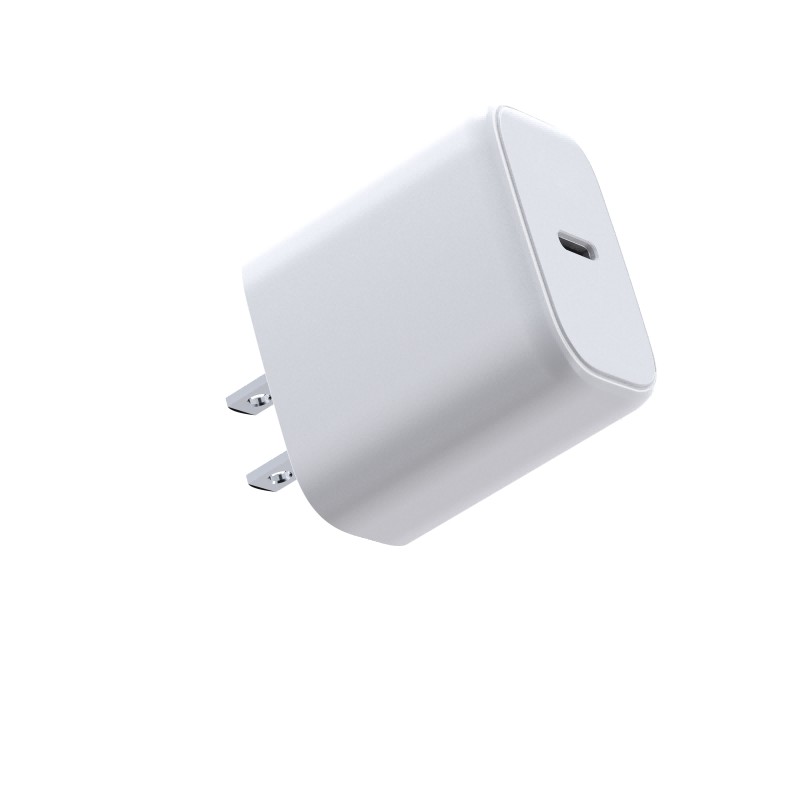
Two brands shipped the same charger to the same retailer in the United States. One had a declaration, the measurement records and a named responsible party; the other had a test report and no declaration. The product was identical and the listing was not.
Last updated:
This guide is part of our Charger Export & Market Entry. Read the full topic guide for the decisions that come before and after this step.
Selling chargers in the US: the four decisions
The authorisation route, the responsible party, the records, and the safety expectations that sit alongside the radio requirements.
Each decision has a documentary answer, and the first two decide who signs. A charger without a radio interface is normally handled through a supplier’s declaration supported by testing, while a product that intentionally radiates follows the certification route with a grant and an identifier.
The safety side of the market is separate from the radio side, and both describe the same product revision, which is why the two sets of records are kept together.
Decision 1: the authorisation route
The product’s radio behaviour decides it.
A charger that does not intentionally radiate is normally handled through a declaration; a charger with a wireless control link, a Bluetooth feature or a display connection moves to the certification route. Getting the classification wrong in either direction costs a re-test, because the declaration cannot cover an intentional radiator.
Decision 2: the responsible party
The party placing the product on the market signs.
Where the brand sells under its own name, it takes that role and holds the records; where the factory is the responsible party for the product as sold, the documents name the factory. The choice is commercial and it decides who answers a retailer’s question about conformity.
Decision 3: the records
What is kept, and for how long.
The measurement data and test report, a description sufficient to identify the product, the responsible party’s details and the declaration itself are the core set, retained while the product is offered. The records also have to keep describing the shipped revision, which is the part that maintenance actually protects.
Decision 4: safety and the accessory
The adapter in the box is a second product with its own evidence.
Safety expectations for the charger and for the separate adapter travel together, and the accessory is often specified after the charger has been tested. A programme that adds or changes the adapter later adds a documentation set rather than a component.
| Decision | What it fixes | Evidence | Cost if wrong |
|---|---|---|---|
| Route | Declaration or grant | The classification of the radio behaviour | A repeated test programme |
| Responsible party | Who signs and holds records | The declaration and the file | A retailer query with no answer |
| Records | What is retained | Measurement data and the description | An unanswerable complaint |
| Safety and accessory | The second product in the box | Its own evidence set | A second documentation cycle |
What a retailer usually requests
Four items, and the first is the declaration.
The declaration with the responsible party named, the test evidence behind it, the technical description with the revision, and the safety documentation for the product and its adapter. A retailer that sells into a marketplace often asks for the same four in a templated form, which is why the records are kept in one folder.
Where US entries go wrong
Three patterns, and each is a documentation gap.
A declaration signed by a party that is not placing the product on the market; a radio feature added after the declaration was written; and an adapter changed without its evidence being updated. Each is a version-control problem rather than a product problem.
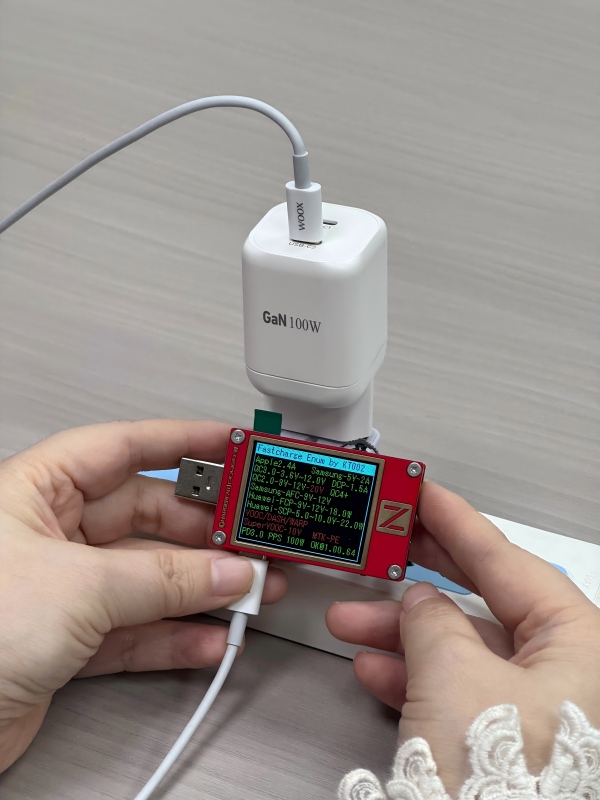
Planning the US file
Three dates, and the last one is the one that slips.
The measurement date, the declaration date and the date the accessory evidence is complete. A programme that plans the charger and leaves the adapter to the packaging stage usually finds the accessory evidence arriving after the retailer’s documentation request.
What a US entry actually requires of a brand
The route depends on what the product does. A charger that does not intentionally radiate is normally handled through a supplier’s declaration supported by measurements, while a product with a radio function follows the certification route and carries an identifier.
The obligation sits with the party placing the equipment on the market under its own name, which for a private label programme is the brand. That party holds the records and answers a retailer’s or a marketplace’s request for them.
The adapter is a separate product with its own conformity and its own responsible party, so changing it later updates that evidence rather than the charger’s file.
The records are kept while the product is offered and, in practice, for as long afterwards as a query could arise, which is why they are maintained against the shipped revision rather than stored once.
Buyer release gate: connect the quotation to model-level evidence
A supplier claim becomes useful when it is tied to the exact model, approved sample, production revision and batch records. The release decision should be based on documents that can be checked again at reorder.
Use the following record with the article’s technical guidance and confirm the applicable requirements against the linked authoritative source.
| Approval checklist | Evidence to request | Pass condition | Stop condition |
|---|---|---|---|
| Requirement | Signed model specification | Power, ports, plug and market are fixed | The quotation relies on a catalogue description |
| Sample | Approved sample and revision record | Physical sample and drawing match | Artwork or electrical settings remain provisional |
| Evidence | Model reports and production records | Documents name the ordered configuration | Evidence applies only to a similar model |
| Release | Purchase specification and change-control route | Order and factory release use one revision | Changes can enter production without buyer approval |
Conditions that stop the release
- Do not release tooling or mass production while the model specification and sample revision disagree.
- Pause the order when a quoted capability cannot be tied to a model-level report, sample or batch record.
FAQ
Does a charger need a grant?
A product that does not intentionally radiate is normally handled through a supplier's declaration with supporting measurements. A product with a radio function follows the certification route and carries an identifier. Establish first whether the product radiates intentionally, because that answer decides between a declaration with measurements and the certification route with an identifier. and record the basis for that answer in the file.
Who signs the declaration?
The party placing the equipment on the market under its own name. That party also keeps the records and answers a retailer's or a marketplace's request for them. Collect the records as the shipments are made rather than at the end of the year, because a retailer's request usually arrives with little notice. Keep the declaration with the revision it describes, dated.
Does the adapter need its own evidence?
It is a separate product with its own conformity, so it carries its own evidence and its own responsible party. Changing it later updates that evidence rather than the charger's. Keep the adapter's evidence beside the charger's file and record the revision it describes, so a change to one product does not create a gap in the other. and keep both files at the same revision.
How long are the records kept?
While the product is offered, and in practice for as long afterwards as a query could arise. The maintenance task is keeping the records describing the shipped revision. Maintain them against the shipped revision, so a question about a particular delivery can be answered from the records that covered it rather than from the current file. The current file alone does not answer a question about an older delivery.
Next step
Send the product functions, the accessory arrangement and the channel to Wecent Group through the contact page. The reply states the route, the responsible party options, the records involved and the evidence for the adapter. Related reading: OEM and ODM charger manufacturing, charger quality control and our charger factory. External references: US FCC Part 15 rules, US Consumer Product Safety Commission, UL standards and certification, USB Power Delivery specification, IEC standards and US Department of Energy.