
Charger HS Code: Classification Guide for US and Canada Importers
Charger HS Code: Classification Guide for US and Canada Importers
A charger HS code is the customs classification a US or Canadian importer declares for a charger, and it decides the duty treatment and the paperwork at entry. Both countries place many chargers and power adapters under heading 85.04, but the exact subheading depends on the product, so confirm it with your broker before the […]
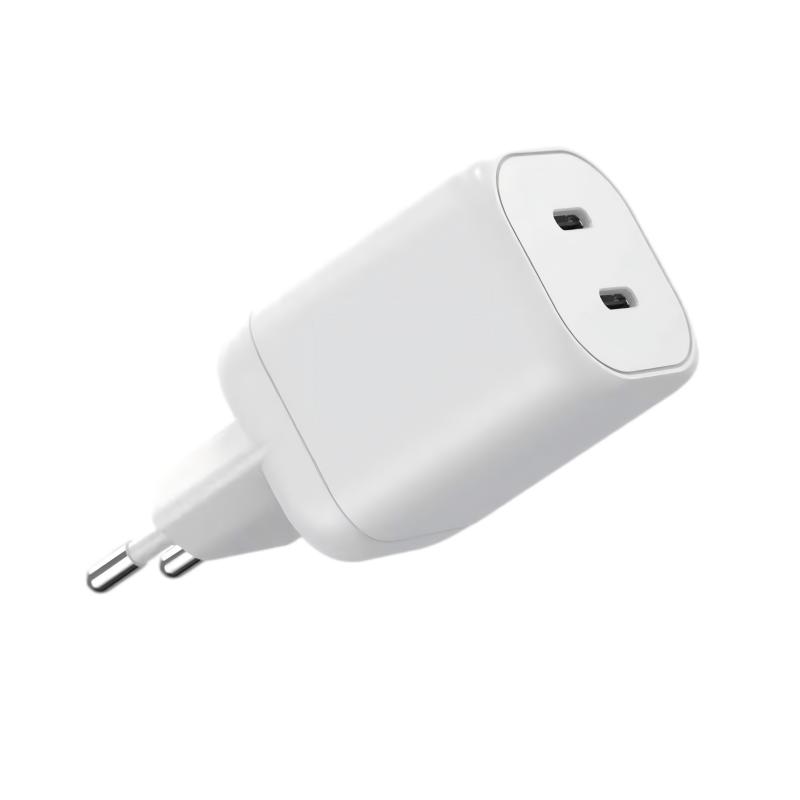
A charger HS code is the customs classification a US or Canadian importer declares for a charger, and it decides the duty treatment and the paperwork at entry. Both countries place many chargers and power adapters under heading 85.04, but the exact subheading depends on the product, so confirm it with your broker before the first shipment.
This guide is part of our Charger Export & Market Entry. Read the full topic guide for the decisions that come before and after this step.
Charger HS codes in the US and Canada: what classification depends on
Four inputs: the product’s function, its construction, the accessories in the box and the destination’s own rules.
Classification systems are organised by function first, so the question is what the product does rather than what it is called. A charger that also converts, that includes a radio interface or that ships with an adapter can move between headings, and the movement changes both the duty and the paperwork.
The code is not a marketing decision, and it is not chosen for the lower duty. It is a description of the product that a customs authority can verify against the goods.
Input 1: the function
Conversion, static conversion or a combination.
Most chargers are classified as static converters, which is the heading family that covers power supplies. A product whose primary function is something else, such as a charger that is also a hub or a speaker, raises the question of which function is principal, and the answer decides the heading.
Input 2: the construction
Mains-powered, portable, or a combination with a battery.
A mains-powered adapter and a wireless charging pad can sit in different headings, and a power bank with charging capability may sit somewhere else again. The construction details that matter are the input source, whether the product stores energy and whether it contains a radio interface, because each of those changes the family.
Input 3: the accessories in the box
What travels with the product can change the classification.
A separate adapter packed with the charger, a cable, or a second product in the same box can shift the classification towards a set. The documentation should describe the retail box contents accurately, because a set classified as a single item produces a query at clearance rather than at the desk.
Input 4: US and Canadian tariff schedules
The first six digits are shared internationally; the US and Canada add their own digits.
The US uses the Harmonized Tariff Schedule and Canada uses the Customs Tariff, and each adds national subdivisions after the shared six-digit code. A programme selling into both countries confirms the full code separately for each, and records both for the next shipment.
Where chargers usually sit: verified references
In the US Harmonized Tariff Schedule, heading 8504 covers “electrical transformers, static converters (for example, rectifiers) and inductors”, and subheading 8504.40 is “static converters” (USITC HTS). In Canada’s Customs Tariff (T2026), heading 85.04 has the same scope, and under tariff item 8504.40.90 there are statistical classifications for battery chargers, including “USB type, from AC source” (CBSA Customs Tariff, Chapter 85).
These references show where to start looking, not the final answer for your product. Wireless chargers, power banks, chargers sold with other items and products with other main functions may be classified differently. Duty rates and any additional duties change, so check the current schedule and confirm the full code with your customs broker, or request a binding ruling (US: CBP CROSS).
| Input | What it decides | Evidence | Common mistake |
|---|---|---|---|
| Function | The heading family | The specification and the construction | Classifying by product name |
| Construction | Mains, portable or battery | The bill of materials and the schematic | Assuming all chargers are alike |
| Box contents | Single item or set | The retail packaging revision | A set declared as one product |
| US / Canada schedule | The national digits and rate | A ruling or a broker’s confirmation | Using the US code for Canada or vice versa |
What the code changes
Three consequences, and the first is the one buyers notice.
The duty rate follows the classification; the documentation required at clearance follows the duties attached to that heading, including any licence or certification condition; and the statistics collected by the authority follow the declared code, which is why a misclassification is a compliance issue rather than only a cost issue.
How to confirm a classification
Four steps, and the third is the one that protects the programme.
Describe the product by function and construction; check the US HTS or the Canadian Customs Tariff; ask the broker for a written confirmation or, where the value justifies it, apply for a binding ruling; and record the code with the product revision so a later change of construction reopens the question.
What the broker will ask for
Five documents, and each is already in the programme file.
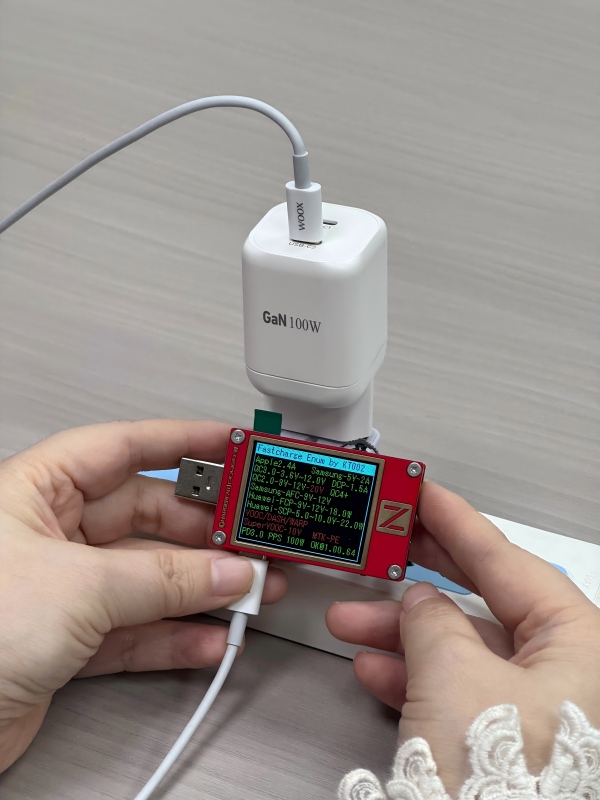
The product description with its function; the construction details, including any battery or radio interface; the retail box contents; the invoice with the declared value; and the certification or test evidence for the US or Canadian market. A programme that holds those five can classify a new product in an afternoon.
How the classification is kept current
The code follows the product, so it is reviewed when the product changes. A different enclosure material, an added radio function or a change to the box contents can move the position, and each is a product revision rather than a shipping detail.
The review is recorded against the revision, which is what allows a shipment to be matched to the position it cleared under. Without that link a later query is answered from the current file rather than from the records that covered the entry.
Written confirmation for each country is the second element, because the US and Canadian codes are confirmed separately and the broker’s advice is specific to one.
A programme holding the confirmation and the revision can answer a customs query from its own file rather than from correspondence.
FAQ
Does every charger have the same HS code?
No. A mains adapter, a wireless pad, a power bank and a multi-function product can fall under different headings even when the output looks similar. Confirm from the construction, not the product name.
Is the US code the same as the Canadian code?
The first six digits follow the shared international system; the US and Canada add their own digits. Confirm each country’s full code separately.
Who is responsible for the classification?
The importer declares it and the customs broker advises. Keep a written confirmation for each country with the product revision it describes.
Can the code change after the first shipment?
Yes, usually after a change of construction or box contents. Recording the code with the product revision makes the change visible before clearance.
Next step
Send the product function, construction, box contents and whether you ship to the US, Canada or both to Wecent Group through the contact page. We reply with the classification inputs and the product documentation your broker will ask for. The final code is confirmed by your broker. Related guides: selling chargers in the US, selling chargers in Canada, charger landed cost and charger export and market entry. External references: US Harmonized Tariff Schedule (USITC), CBSA Customs Tariff 2026, Chapter 85, US CBP Customs Rulings Online Search System (CROSS), ICC Incoterms rules.