
FCC ID, Grantee Codes and Nameplate Rules for a Private-Label Charger
A factory email that says “we have FCC” is not a private-label file. The unintuitive part is that the question is not whether a report exists; it is which path the device actually follows, who the grantee or responsible party is, and whether the nameplate, the manual and the carton all say the same thing. Those answers sit in the current text of 47 CFR Part 2, Subpart J, which this page will cite, and which a writer must re-open before stating a path.
FCC ID, SDoC and the path a given charger actually follows — verified on current FCC pages
A charger follows either SDoC or certification, set by the current rules for that equipment class, not by a factory habit. 47 CFR 2.906 defines SDoC; 47 CFR 2.907 defines certification. This article will not invent the path for a given SKU. Open those sections, and the governing part, before the RFQ is written.
As of the eCFR text displayed up to date as of 11/09/2026, § 2.906 describes SDoC as a procedure where the responsible party “makes measurements or completes other procedures found acceptable to the Commission to ensure that the equipment complies,” and says submittal of a sample is not required unless specifically requested under § 2.945. § 2.907 describes certification as an authorization approved by the Commission or issued by a TCB, “based on representations and test data submitted by the applicant.” The responsible party for SDoC must be located in the United States, as § 2.909, already cited, and § 2.1077 both state. A private-label program that has no US responsible party on an SDoC path does not have a complete file.
Grantee codes: who owns the ID on a private-label charger
Under § 2.926, a grant of certification lists an FCC Identifier made of a grantee code assigned by the FCC and an equipment product code assigned by the grantee. The same section says the grantee code is assigned permanently and “is valid only for the party specified as the applicant/grantee in the code assignment(s).” For certified equipment, § 2.909(a) places responsibility on the party to whom the grant is issued. A private-label brand that wants its own identifier is asking for its own grantee relationship, or for a change in identification under § 2.933, not for a logo on a factory grant.
Nameplate, user-manual and packaging rules that must agree
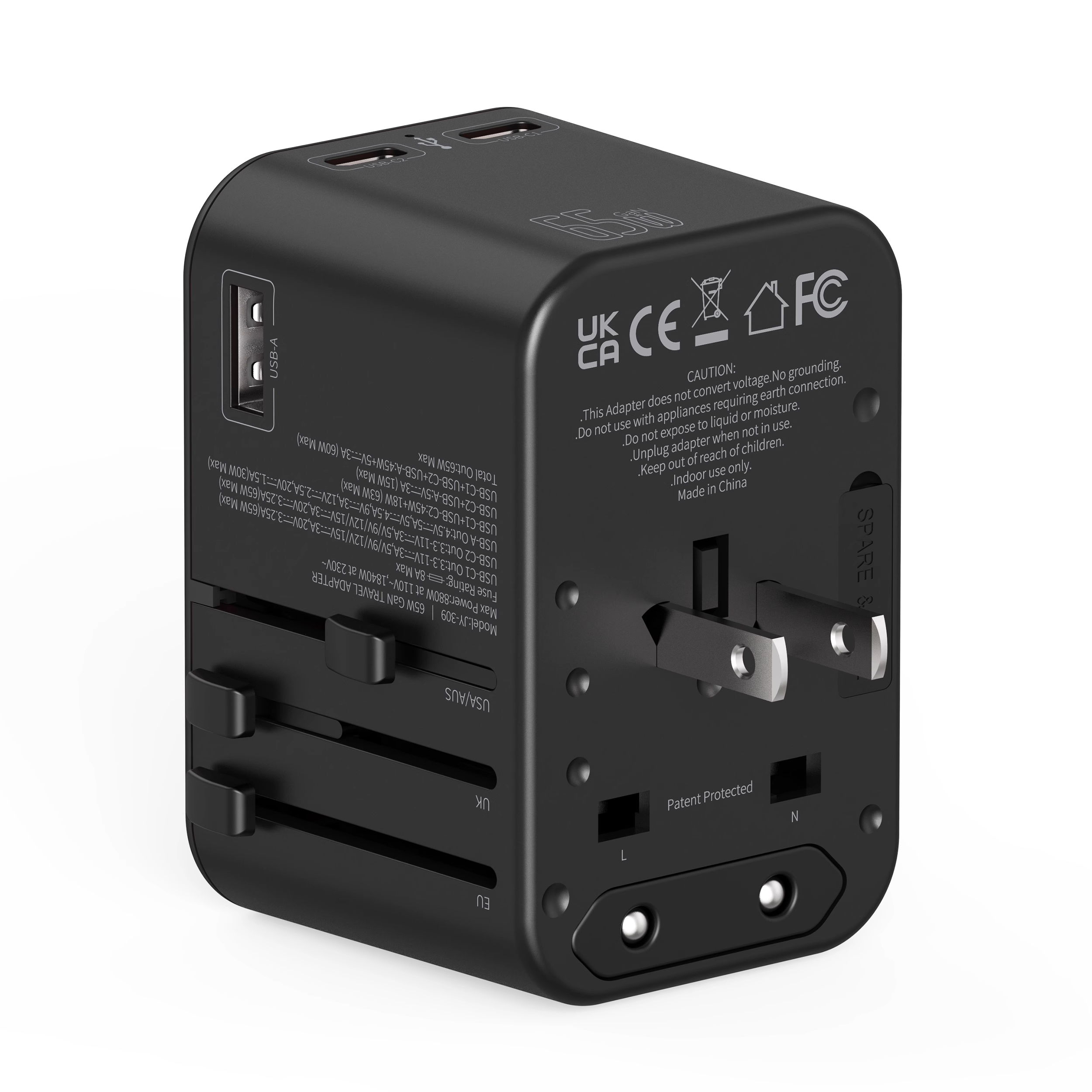
§ 2.925 requires a label listing the FCC Identifier in the exact order specified in § 2.926, preceded by “FCC ID” in capital letters on a single line, legible without magnification, plus any other statements the governing part requires. Electronic labelling may be used pursuant to § 2.935. For SDoC, § 2.1077 requires a compliance information statement supplied with the product at marketing or importation, identifying the product, stating compliance, and naming a US responsible party. The nameplate, the manual and the carton have to agree with that statement. A logo that crowds the FCC ID, or a carton that carries a different model name from the grant, is a file problem, not a print problem.
When a private-label brand can share a factory ID, and when it cannot
§ 2.924 allows the grantee to market electrically identical devices under different model numbers or trade names without additional authorization, provided the equipment bears an FCC Identifier validated by a grant of certification. The same section says changes to the model number or trade name by anyone other than the grantee, or not under the grantee’s authorization, shall follow § 2.933. Sharing an ID is therefore a grantee decision about electrically identical equipment, with authorization in writing. It is not available for a housing or circuit that is no longer electrically identical, and it is not available as a unilateral print by a brand that is not the grantee.
How this labeling article complements the existing CE/FCC/RoHS overview
The published CE, FCC and RoHS guide is a multi-mark overview. This page is the US identification file: path, grantee, nameplate and change control. The two should be linked, not rewritten as each other. Broader market-access context sits on charger compliance and certification and on the certifications page; those pages are not a substitute for the current CFR text.
Wireless chargers with a radio function: an extra scope question
A USB wall charger and a wireless charger with a radio function are not automatically the same equipment class. A device that also contains a Bluetooth, Wi-Fi or similar radio raises an additional authorization question, and a wireless power function may sit under a different part from a simple digital device. This article will not invent the part or the path for those products. The RFQ should name every radio function, and the laboratory should identify the current applicable rules before anyone prints “FCC” on a wireless SKU.
A document and artwork checklist before US retail intake
| Item | What the current CFR text is asking | Retail-intake fail |
|---|---|---|
| Path | SDoC under § 2.906 or certification under § 2.907, for the actual equipment class | “We have FCC,” with no path and no part named |
| Identity | FCC ID and grantee under §§ 2.925–2.926, or a complete SDoC statement under § 2.1077 | A mark that is not an FCC ID, or a missing US responsible party |
| Trade name | Sharing under § 2.924 only if electrically identical and authorised by the grantee; otherwise § 2.933 | A new brand name on a factory ID, with no grantee authorisation |
| Artwork | Nameplate, manual and carton agree; FCC ID legible as § 2.925 requires | Three model names, or a logo covering the ID |
US retail intake is often the first place those four lines are checked together. Send the checklist with the artwork, not after the carton is printed. Program conversations can start from OEM and ODM; the legal text remains the eCFR sections already cited.
Change control: a housing or antenna change that voids a grant
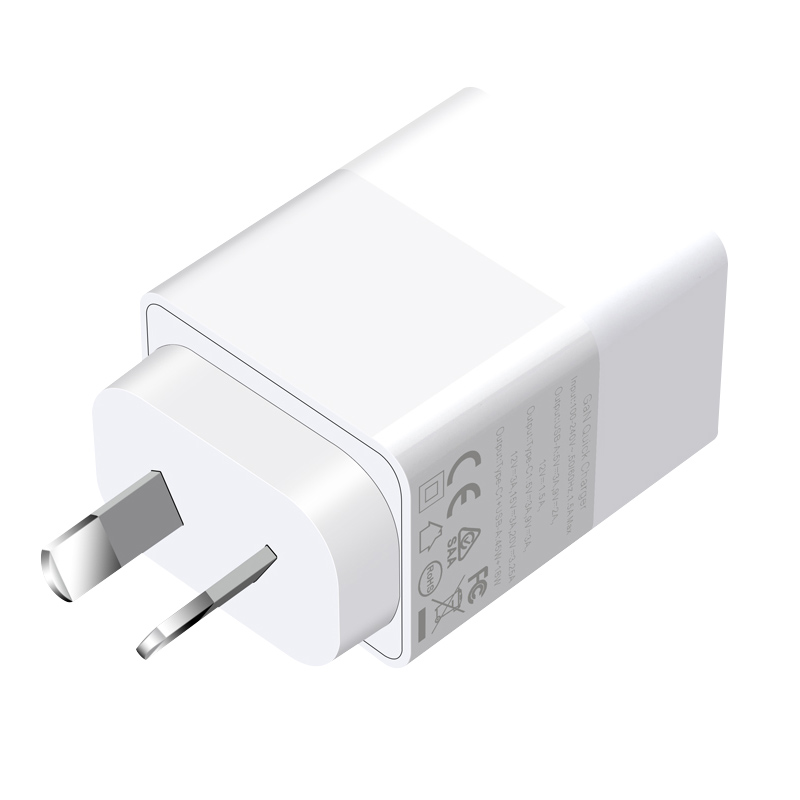
§ 2.933(a) requires a new application for certification whenever the FCC Identifier changes, with or without a design change, except that a model or trade-name change performed under § 2.924 is not a change in identification. If there is no design change, § 2.933(b) allows a statement in lieu of a full resubmission of test data, covering the original identification, the date of the original grant, how the equipment differs, whether original test results remain representative, and the exterior photographs § 2.1033 requires. If the change in identifier also involves a design or circuitry change outside a permissive change in § 2.1043, § 2.933(c) requires a complete application under § 2.911. A housing or antenna change has to be assessed against that text. This article will not invent a threshold at which a change is “always fine.”
Red flags in a factory’s “we have FCC” email
Treat the following as incomplete until the file is produced: an FCC mark with no path and no identifier; a grant in a different party’s name, offered as if it were yours, with no § 2.924 authorisation and no § 2.933 filing; a report for a different housing or antenna; a missing US responsible party on an SDoC path; and a statement that a private-label artwork change “does not need to go back to the lab.” Any one of those is a reason to stop artwork, not a reason to negotiate the email wording.
What writers must re-verify on FCC official pages before stating a path
The sections cited here were read on the eCFR, displayed up to date as of 11/09/2026, with Title 47 last amended 11/05/2026, and with § 2.933 itself carrying an amendment at 90 FR 53236, Nov. 25, 2025. Those dates will move. Before a later article, a later RFQ, or a later nameplate is frozen, re-open the current eCFR text — and the applicable part for that device — and do not restate a path from memory. This article will not invent an SDoC-versus-certification rule for a product class the CFR has not been checked against.
Conclusion
A private-label FCC file is a path, a grantee or US responsible party, a nameplate that agrees with the manual, and a change-control rule that follows §§ 2.924, 2.933 and 2.1043. “We have FCC” is not that file. Open the current CFR before anyone prints the ID.
If you are preparing a private-label charger for the US and want a sourcing discussion, a quotation or a sample plan — not an order — start from WECENT OEM and ODM and say which FCC path and grantee documents you already hold.
FAQ
What is the difference between FCC SDoC and certification?
Under 47 CFR 2.906, Supplier’s Declaration of Conformity is a procedure in which the responsible party makes measurements or completes other procedures found acceptable to the Commission to ensure the equipment complies, and submittal of a sample is not required unless specifically requested. Under 47 CFR 2.907, certification is an equipment authorization approved by the Commission or issued by a Telecommunication Certification Body, based on representations and test data submitted by the applicant. Which path a given charger follows depends on the current rules for that class of equipment. This article will not invent the path for a SKU; it will point at those sections and at the applicable part, which must be re-verified.
Who is the responsible party, and who owns an FCC Identifier?
For equipment that requires a grant of certification, 47 CFR 2.909(a) states that the party to whom that grant is issued is responsible for compliance. For SDoC, 47 CFR 2.909(b) and 2.1077 require a responsible party located in the United States; that party is, as set out in 2.909(b), the manufacturer or assembler, the importer if the equipment is imported, or a retailer or OEM that has assumed the responsibility by agreement. 47 CFR 2.926(a) says a grant of certification lists an FCC Identifier consisting of a grantee code assigned by the FCC and an equipment product code assigned by the grantee; 2.926(b) says the grantee code is assigned permanently and is valid only for the party specified as the applicant/grantee.
Can a private-label brand share a factory’s FCC ID?
47 CFR 2.924 allows the grantee of an equipment authorization to market devices having different model or type numbers or trade names without additional authorization, provided the devices are electrically identical and bear an FCC Identifier validated by a grant of certification. Changes to the model number or trade name by anyone other than the grantee, or not under the authorization of the grantee, shall follow 47 CFR 2.933. A private-label brand cannot simply print a factory ID on a modified or electrically different housing and call it shared. The agreement, the identity of the grantee, and electrical identity have to be in the file.
What belongs on the nameplate, and when does a housing change void a grant?
47 CFR 2.925 requires, for equipment covered in an application for equipment authorization, a label with the FCC Identifier in the exact order specified in 2.926, preceded by “FCC ID” in capital letters, large enough to be legible without magnification, plus any other statements the governing part requires; electronic labelling may be used pursuant to 2.935. A housing or antenna change is a modification question under 47 CFR 2.932 and 2.1043: if it falls outside a permitted change, 2.933(c) requires a complete application pursuant to 2.911. This article will not invent a “small change is always fine” rule; the current text of those sections has to be applied to the actual change.