
Fleet Driver Charging Kits Using Wall Chargers and Power Banks, Not Vehicle Installation
A fleet or gig-driving programme sometimes arrives at a charger factory as a request for “something that charges from the car.” That is not this article, and it is not this catalog. The kit this programme describes travels with the person: a compact wall charger for a mains outlet at a lodging, a depot or a rest stop, a cable, and optionally a power bank in the bag. It is assembled from published wall-charger and power-bank SKUs. It is not a vehicle-installed product, not a 12V cigarette-socket charger, and not an EV accessory.
Fleet and gig-driver charging kits built from wall chargers and power banks — explicitly not a vehicle-installation or 12V car-charger article
A fleet or gig-driver charging kit in this programme is a compact wall charger, a cable, and optionally a power bank that travels with the person. It is not a vehicle-installed or 12V cigarette-socket product. WECENT’s published catalog is not an automotive charger line, and this article will not design one.
The distinction is practical. A driver who can plug a compact adapter into a wall outlet, and who can top up a phone from a power bank between outlets, has a kit that a charger and power-bank factory can actually supply from published products. A request to hardwire a charger into a vehicle, to design a 12V socket adapter, or to treat this kit as automotive equipment is a different industry. It is outside this article and outside the published WECENT catalog opened for this work.
The WECENT catalog is not an automotive cigarette-socket line; this article will not imply otherwise
WECENT’s published catalog, including the product catalog, the power banks and power stations line, and the compact wall adapters in the desktop and multi-port family, is not an automotive cigarette-socket line. This article will not imply that it is, will not imply that WECENT makes 12V vehicle chargers, and will not use a vehicle-interior photograph to suggest otherwise. A buyer who needs an automotive 12V or in-vehicle product should source that product from a supplier whose catalog actually is automotive. That supplier is not being described here.
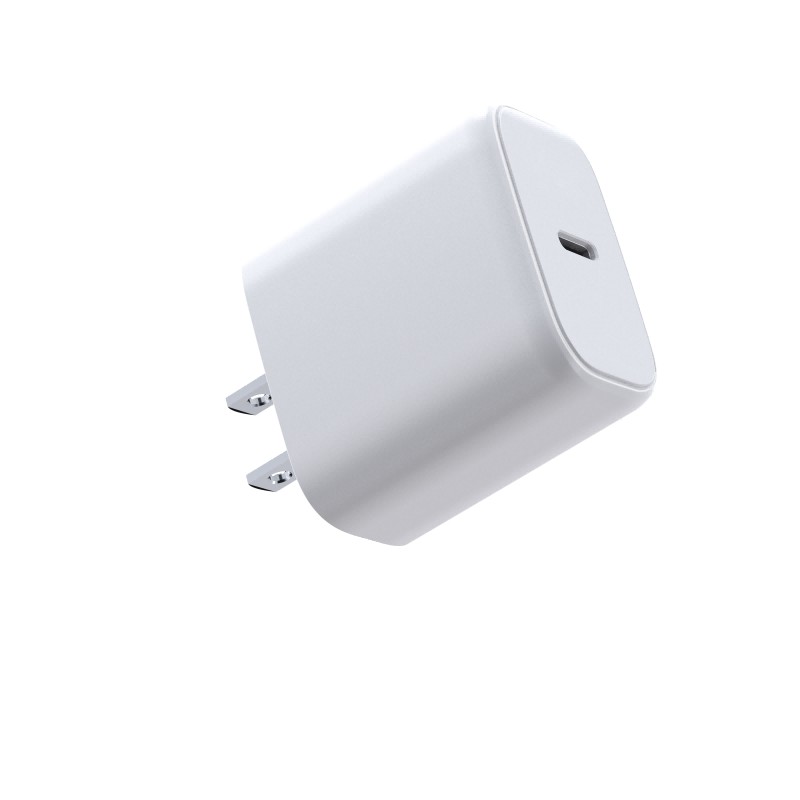
What a driver kit contains: a compact GaN brick, a cable, and optionally a power bank
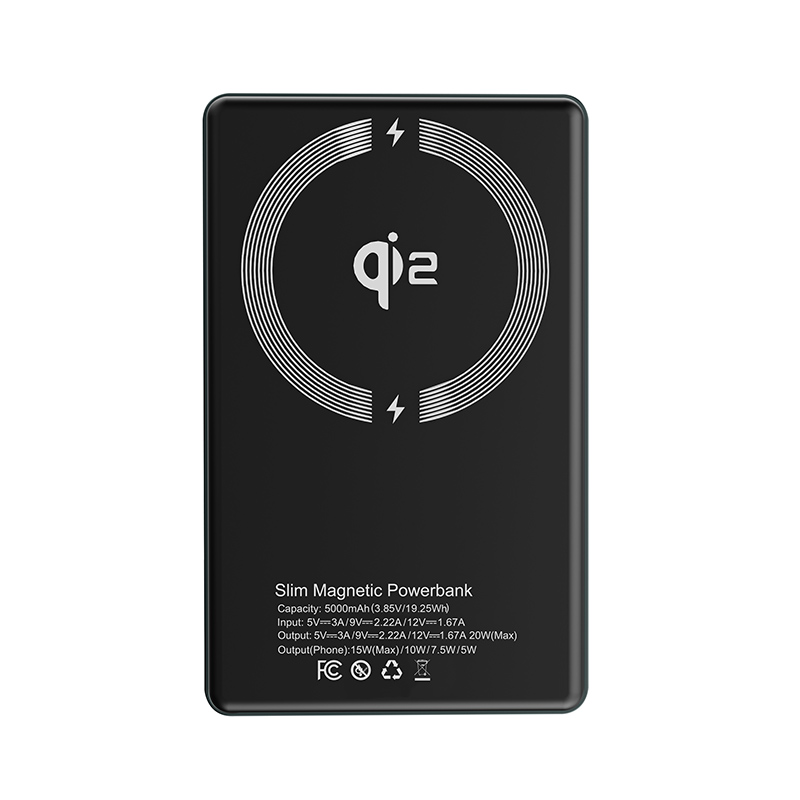
The kit contents are short on purpose. A compact wall charger — a published GaN brick such as the WET-67-C above, after a current product-page check of wattage and plug variant — is the mains half of the kit. A cable, specified by connector and a length that survives a bag, is the daily wear part. A power bank is optional, and when it is included it should be a published product from the power-bank line, for example the L8 magnetic wireless power bank whose published product page is titled as an L8 MagSafe wireless charger power bank with Qi2. MagSafe is Apple’s trademark; Qi2 on a published title or on a nameplate photograph is not treated here as current Qi Certification evidence for a WECENT SKU. Kit-specification details such as cable identity and a power-bank watt-hour marking belong in the RFQ. Related kit-spec and airline-lithium articles are planned separately and are not linked here, because those pages were not live on the public site when this article was written. Official airline rules are cited below from IATA and FAA pages opened for this article.
Procurement: volumes, replacement, and a SKU that survives a bag
A fleet kit is a procurement programme, not a one-off gift. The RFQ should state the volume, the replacement rate the buyer expects from lost and damaged kits, and which part will fail first — usually the cable, then the pouch, then the charger or the power bank. The SKU should be identified so a replacement can be ordered without a photograph, and the pack should survive a bag: a compact brick, a cable that is not the first thing to crush, and, if a power bank is included, a unit whose enclosure and ports are specified for daily carry. This article will not invent a WECENT MOQ, a lead time, a price, or a warranty period. Those remain to be confirmed in a quote.
Safety: no vehicle-installation advice; no 12V hardwire guidance
This article gives no vehicle-installation advice and no 12V hardwire guidance. It will not recommend a connection to a vehicle electrical system, a fuse, a cigarette-socket splitter, or an in-vehicle mount as a charging method. The only installation in this programme is the everyday act of plugging a wall charger into a mains outlet, and of carrying a power bank as a portable battery. Product safety for those catalog products is an ordinary discussion in the family of IEC 62368-1:2023, cited from the current official listing, after a product-page check. That is not vehicle safety, and it is not a substitute for a vehicle manufacturer’s or a fleet’s own rules about what may be used inside a vehicle.
A kit RFQ a fleet buyer can issue
A fleet buyer can issue a short RFQ: the number of kits; whether each kit is a wall charger and cable only, or also a power bank; the plug variant for the regions the drivers actually sleep or depot in; the cable connector and length; the published catalog starting points after a page check; how the kit is identified and replaced; packaging and branding limits; and, if a power bank is included, the watt-hour figure taken from the actual unit and the current product documentation, together with a requirement to follow current official airline and carrier rules. The RFQ should also state, in one line, that vehicle installation and 12V automotive products are out of scope. A quote or a sample can then be requested through the OEM and ODM path.
How this differs from hotel, gym and event articles — the kit travels with the person
Hotel, gym and event charging programmes put a charger in a place: a room, a locker line, a booth. This kit travels with the person. That is why a compact wall charger and an optional power bank are the building blocks, and why a fixture bolted to a floor or a desk is the wrong picture. Cousin articles about those placed programmes are not copies of this one, and unpublished slugs for them are not linked here.
Lithium and airline rules when a driver kit includes a power bank
When the kit includes a power bank, airline rules are official text, not a factory rule of thumb. The IATA Batteries page opened for this article states: “Lithium batteries can be carried by air depending on configuration and Watt-hour rating (for rechargeable) or lithium content (for non-rechargeable). In addition, spare batteries are not allowed in checked baggage.” That IATA page, in the form opened this round, did not state a 100 Wh figure; this article will not invent one as an IATA rule. IATA’s Dangerous Goods Regulations page is the related official publication listing.
The FAA PackSafe page states that “power banks, power stations, and generators with a capacity of more than 160 watt hours (Wh) are not allowed on passenger aircraft,” and that “Power banks, spare batteries, and lithium batteries with a capacity of less than 160 Wh must remain with passengers in the aircraft cabin.” The FAA PackSafe Resources page adds a finer band: “Batteries 0-100 Wh are allowed on passenger aircraft, 101-160 Wh require an air carrier’s approval, and batteries exceeding 160 Wh are forbidden.” It also states: “Spare lithium-ion batteries and power banks must be carried on.” This article presents both FAA pages as they stand. A fleet programme should use the current official text and the carrier’s own rules, which may be more restrictive. The published L8 nameplate photograph above is an example of reading a watt-hour figure from a unit (19.25Wh on that nameplate). Take the figure from the unit you ship. A live companion on this site, the EU battery regulation and power banks article, is a regulatory hub for power-bank programmes; it does not replace IATA or FAA official text for a flight.
Packaging and branding for a fleet program
A fleet kit is often packed as a small pouch or a box with a fleet mark, a SKU, and a short instruction card — including, if a power bank is included, a reminder to follow current official airline rules for spare batteries, not a factory-invented watt-hour slogan. Branding should use marks the buyer is entitled to use. Packaging-identity and colourway articles are planned separately; their slugs, including a colourway article in the same writing batch, are not linked here because they were not live on the public site when this article was written. The RFQ should state the language, the marks, and how a replacement kit is recognised.
What this article will not do: design a car charger WECENT does not sell
| In scope for this kit | Out of scope — this article will not do this |
|---|---|
| A compact wall charger for a mains outlet, after a product-page check | A 12V cigarette-socket charger, an in-vehicle hardwire unit, or an EV accessory |
| A cable specified for daily carry and replacement | Vehicle-installation advice, fuse advice, or 12V wiring guidance |
| An optional power bank, with watt-hour read from the unit and official airline rules applied | A claim that WECENT’s catalog is an automotive line, or a design for a car charger WECENT does not sell |
| Packaging and branding for a fleet programme, with authorised marks | An invented MOQ, lead time, warranty or price, or an invented IATA 100 Wh figure |
This article will not design a car charger WECENT does not sell. It will not turn a wall-charger and power-bank kit into vehicle electrical advice.
If you need a fleet or gig-driver kit built from a wall charger, a cable and optionally a power bank — and not from vehicle installation — send a kit RFQ through the OEM and ODM page, or start from the power banks and power stations line and a current wall-adapter page. This is a request for a quote or a sample, not a car-charger design.
FAQ
What does IATA say, on the Batteries page opened for this article, about carrying lithium batteries and spare batteries?
IATA states: “Lithium batteries can be carried by air depending on configuration and Watt-hour rating (for rechargeable) or lithium content (for non-rechargeable). In addition, spare batteries are not allowed in checked baggage.” That page, opened this round, did not state a 100 Wh figure. This article will not invent one as an IATA rule.
What does the FAA PackSafe page say about power banks and watt-hour limits on passenger aircraft?
The PackSafe page states that power banks, power stations, and generators with a capacity of more than 160 watt hours (Wh) are not allowed on passenger aircraft, and that power banks, spare batteries, and lithium batteries with a capacity of less than 160 Wh must remain with passengers in the aircraft cabin.
How does the FAA PackSafe Resources page describe the 0–100 Wh and 101–160 Wh bands?
PackSafe Resources states: “Batteries 0-100 Wh are allowed on passenger aircraft, 101-160 Wh require an air carrier’s approval, and batteries exceeding 160 Wh are forbidden.” It also states: “Spare lithium-ion batteries and power banks must be carried on.” This article presents both FAA pages as they stand. A fleet programme should also follow the carrier’s own rules.
Is this fleet kit a car charger or a vehicle-installation product?
No. The kit is a compact wall charger, a cable, and optionally a power bank that travels with the person. WECENT’s published catalog is not an automotive cigarette-socket line. This article will not design a car charger WECENT does not sell, and it gives no 12V hardwire or vehicle-installation advice.