
The First-Quotation Document Pack a GaN OEM Buyer Should Insist On Seeing
The First-Quotation Document Pack a GaN OEM Buyer Should Insist On Seeing
Ask a GaN charger manufacturer for a first-quotation pack: output tables, certification annexes, tooling terms and packaging files, not a price-only PDF.
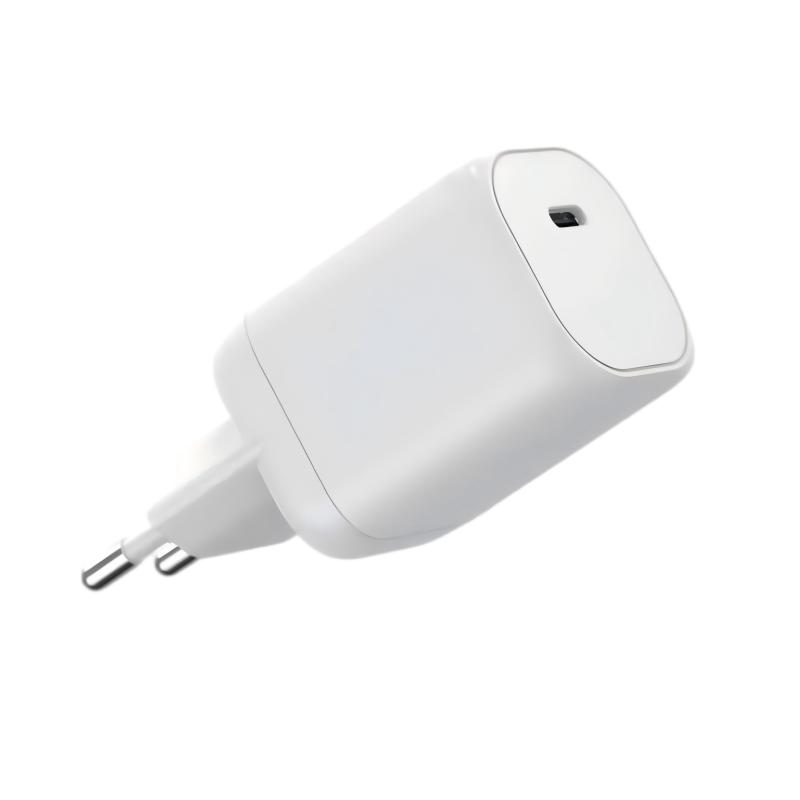
The first file in the inbox was labelled a quotation. It was one PDF: a unit price, two quantity breaks and a logo in the header. Six weeks later a retailer asked for the legal name on the test-report holder page. The only certification file in the folder was a collage of marks. The price was not the problem. The pack had not been requested while the price was still being compared.
Procurement teams evaluating a gan charger manufacturer for an OEM programme need the evidence that should travel with a first price, so two offers can be compared on the same scope. This page is a buyer checklist for that pack. It does not invent certificate numbers, lead times or unit prices.
What a usable first quotation pack contains — and what a price-only PDF leaves open
A usable first quotation from a GaN charger manufacturer combines a priced offer with a document pack covering electrical output and power-sharing tables, certification annexes that name the holder and models, sample and tooling terms as dates and quantities, packaging and logo files, and a traceability statement. A price-only PDF leaves those items open.
Without an output table, a 65 W label does not say what two ports do at once. Without a holder name on a report, a CE or FCC mark on a drawing is a graphic. Without dates on samples and tooling, “available” is not a schedule. The pack is the scope of the offer. If a factory cannot attach a file, it can still mark the line as missing and date the follow-up. Naming the files on the first exchange is more useful than a polished price PDF with nothing behind it.
Electrical output tables, power-sharing notes and cable assumptions that must be attached
The electrical attachment should state, for each port and for named simultaneous combinations, the voltage, current and power being sold, and the cable assumption used to reach those figures. A headline wattage without power-sharing notes lets two factories price different products under the same label.
Ask for the conditions in the same file: ambient temperature, input range, and whether the figures are at the charger face or at the end of a cable. If a USB Power Delivery profile is part of the offer, it belongs in the table. If a combination has not been measured, the cell should say so, rather than repeat the single-port maximum. Two offers that both say “65 W, two USB-C ports” are not comparable until one table states the split when both ports are used and the other is no longer silent.
Certification annexes: report holder, model coverage and plug variants
A certification annex is a set of reports and, where the market requires it, a declaration, each tied to a named holder, a named model range and a named standard. A sheet of logos is not that annex. The holder name, the models and plug variants covered, the laboratory and the issue date are the fields a retailer or a customs desk will look for first.
CE marking, FCC equipment authorisation and environmental files such as RoHS documentation are different instruments, not interchangeable stamps. Official guidance on CE marking and on FCC equipment authorisation is published by the regulator. If a quotation covers EU, UK, US and AUS plugs, the annex should say whether each plug variant is already in the report family. USB-IF or Qi marks, if claimed, sit beside electrical safety and have their own evidence, described by USB-IF compliance and the Wireless Power Consortium. WECENT lists ISO 9001 and CE, FCC, RoHS, PSE and KC as published certification groundwork on its site; that listing is not a per-SKU grant, and each model needs written confirmation of the files that exist.
Sample, tooling and opening-quantity terms presented as dates and numbers
Sample and tooling terms belong in the pack as calendar dates, quantities and a statement of what is included. “Fast samples” and “tooling available” cannot be compared across two OEM charger manufacturers. A date, a piece count and a note on whether a deposit is creditable can.
WECENT publishes an opening quantity of 200 pcs for a single model, and it states that quotations are usually issued within 24 hours. Both figures are site claims for this factory’s published terms; they are not industry rules, and they are not a substitute for the dates in a written offer for your programme. Ask the factory to state whether the sample is a production-intent build from the quoted bill of materials or a hand-built demonstration unit, so a low opening quantity is not mistaken for finished evidence.
Packaging, label and logo process documents that belong in the same pack
The same pack should include the packaging and identification documents that will travel with the unit: carton outlines, label positions, language panels, and the logo method being priced. A unit price that omits these items will move later, when artwork is added.
The pack need not deliver finished artwork on day one, but it should say who supplies the dielines, how many language variants are in the quoted price, and which identification marks are already in the certification annex. For EU destinations, the General Product Safety Regulation also bears on label traceability. If a logo process has a minimum of its own, that number belongs next to the opening quantity.
Traceability and change-control statements a serious factory can already produce
A short statement is enough at first quotation: how a finished unit is traced to a production lot, and what happens if firmware, a printed-circuit assembly or a plastic tool changes after the offer. A buyer should not have to wait for a kick-off workshop to learn that no such statement exists.
The statement should name the records a buyer may request with a trial lot: a batch card, a firmware or controller version, and a method for notifying a change that affects safety or interoperability. It does not need to disclose a proprietary procedure in full. It does need to make clear whether a “same SKU” in the warehouse is also the same certified configuration.
How to mark missing items without stalling a trial-order discussion
Mark each missing item as absent, requested or deferred, with a date, and keep the trial conversation open against that list.
A complete pack is the aim, not a freeze on every commercial discussion. Some laboratory work and some artwork will not exist on the day of the first price. Write those gaps down, assign a date, and agree what may be deferred until after a sample is approved. Send one marked list rather than a sequence of single questions. A missing FCC file for a US plug variant, for example, can be deferred only if the first trial is limited to markets the existing annex already covers, and only if that limit is in the purchase wording.
A buyer-side checklist for comparing two packs side by side
Two quotation packs should be scored against the same fields, not against the polish of the PDF. The worksheet below records whether each file is present, incomplete or absent, so a few cents on the unit line are not compared in isolation. Use the empty columns on the first comparison call. If a cell stays empty after that call, treat it as absent, not as implied.
| Pack field | What “present” means | Offer A | Offer B |
|---|---|---|---|
| Electrical output table | Ports, simultaneous splits, cable assumption, stated conditions | ||
| Certification annex | Holder name, models and plugs covered, standard, lab, date; no logo-only sheet | ||
| Sample terms | Date, quantity, production-intent or demonstration, fee treatment | ||
| Tooling and opening quantity | Numbers, what the deposit covers, whether it is creditable | ||
| Packaging and logo process | Dielines or a named process, languages included, process minimums | ||
| Traceability and change control | Lot trace, version records, change-notification rule | ||
| Legal names | Quotation, reports and exporting entity aligned, or a written explanation |
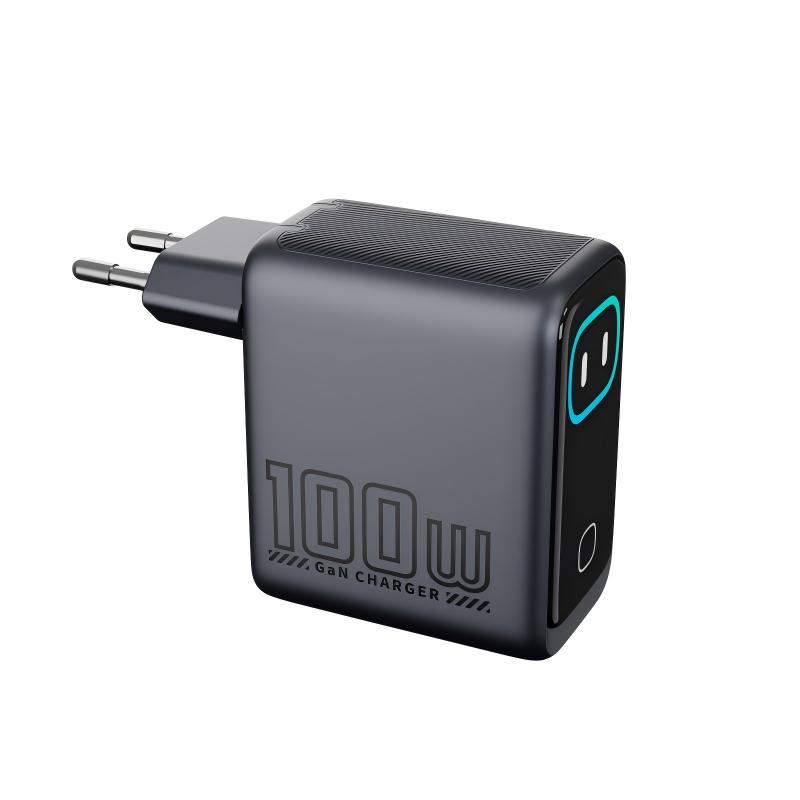
What WECENT’s published RFQ and FAQ pages already tell a buyer — and what still needs a written quote
Public pages can tell a buyer how to ask, and what this factory has already published; they cannot replace a written quotation pack for a named model.
WECENT’s charger RFQ template is written so a first reply need not be only a price range: it asks the buyer to include the details a factory needs in order to price. The factory FAQ publishes the 200 pcs opening quantity and the usual 24-hour quotation response as site claims. The OEM and ODM manufacturing page describes how a platform becomes a branded product. They help before the first email; they are not the annexes for your SKU. An ISO 9001 certificate, if presented, can be checked with the issuer and, where accredited, on IAF CertSearch. Laboratory standing can be considered against the ILAC framework. Neither check replaces reading the holder name and model coverage on the file.
FAQ
Who should sign the first quotation pack?
The pack should be issued under the same legal name that will appear on the commercial invoice and, where required, on a declaration of conformity. A salesperson may assemble the files, but a named commercial or quality signatory should confirm that the annexes belong to the models being priced. If the name on the quotation, the reports and the business licence do not match, ask for a written explanation before a trial is released. A signature does not replace the files; it only shows who will stand behind them.
How should certificates be listed when some reports are still in progress?
List each existing file with the holder name, the models covered, the standard, the laboratory and the issue date. For work that is not finished, state that it is not yet available, name the standard requested and give a dated plan. Do not present an in-progress test as a granted mark, and do not use a logo collage as a placeholder. A trial can still be discussed while a gap is marked; the risk is discovering the gap after a deposit has been paid.
What should a buyer do after the first email if the pack is incomplete?
Reply with one marked checklist: items received, items missing, and items that may wait until trial paperwork, each with a one-line reason. Avoid a week of single-question emails. Ask the factory to complete the pack against that list and to state in writing which missing items it will not provide. A trial discussion can continue in parallel. The aim is to keep the gaps visible, not to punish the first reply.
Can the document pack arrive after the trial order is placed?
It can, but that reverses the risk. Once a tooling or opening-quantity deposit is paid, missing annexes become delays the buyer has already funded. Ask for the core of the pack with the first quotation: output tables, certification annexes for the claimed markets, and sample and tooling terms as dates and quantities. Packaging artwork and some laboratory work may follow if those gaps are dated and accepted in writing.
Conclusion
A first OEM quotation is usable when the price and the evidence arrive together. Missing items can be marked without stopping a trial discussion. A price-only PDF should not be treated as a complete offer.
If your team wants a first reply to include a document pack of this kind, send the programme through the WECENT contact page, or start from the RFQ template so the questions and the attachments can be aligned on the first exchange.