
Is it safe to cover a charging phone or wireless charger with a blanket, pillow or duvet?
Talk · Troubleshooting · Heat, noise & safety signs
Is it safe to cover a charging phone or wireless charger with a blanket, pillow or duvet?
No. Bedding traps the heat a charging phone and charger give off. Keep both uncovered on a hard surface, and uncover and unplug anything that feels hot.
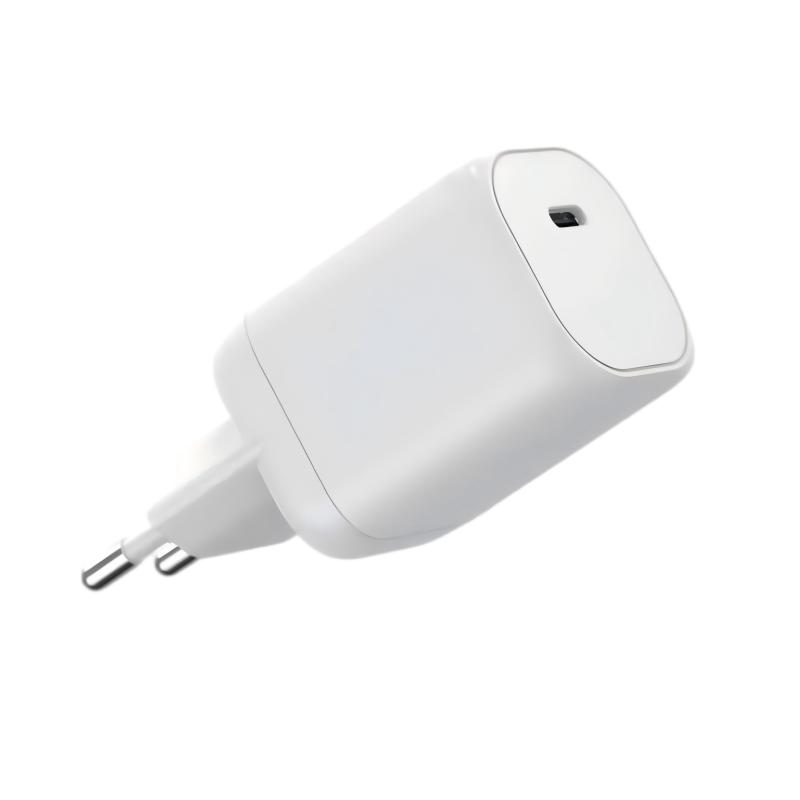
I often fall asleep with my phone charging next to me, and in the morning it is under the duvet or the pillow. Sometimes the wireless charger ends up under a throw or weighted blanket too. Is that actually dangerous?
Short answer: It is not safe and you should avoid it. Charging always produces some heat, and a blanket, duvet, weighted blanket or pillow traps it around the phone and the charger. The usual result is a hot phone that charges slowly; the rare but serious risk is that a damaged or faulty battery or charger fails inside flammable bedding. Charge on a hard, open surface instead.
Why covering a charging phone is a problem
The phone battery warms as it takes in charge, and the charger loses a little energy as heat. In open air that heat disappears. Bedding is insulation: it keeps the heat next to the phone, so temperatures climb higher and stay high for longer. Phones protect themselves by slowing or pausing charging when they get hot, which is why a covered phone often has not reached 100 percent by morning.
Wireless chargers under bedding
A wireless charger gives off more heat than a cable, because some energy is lost between the coils. Under a throw or duvet, both the pad and the phone heat each other. Keep a wireless charger on a bedside table, not on the mattress, and never cover it. If you tend to charge in bed, read whether it is safe to leave a phone on a wireless charger all night and which bedside charger design suits how you sleep.
Blanket, duvet, weighted blanket or pillow: is one worse?
- Pillow: the worst place. It is thick, close to your head, and squeezes the phone and plug.
- Duvet or comforter: thick insulation over a large area; heat builds up quickly.
- Weighted blanket: dense and heavy, so it traps heat and also presses on the cable and connector, which can bend plugs and damage cables over time.
- Throw or thin blanket: less insulation, but still enough to make a phone run hot.
- Baby blankets and cribs: keep phones, chargers and cables out of cribs and cots entirely.
The answer is the same for all of them: do not cover a charging device.
The fire risk, in proportion
Lithium-ion batteries and chargers in good condition are safe when used as intended, and fires are rare. They become a risk when a battery or charger is damaged, faulty or overheated. If that happens in bed, soft bedding catches and spreads fire easily. Fire safety guidance generally says to charge on a hard, non-flammable surface, away from beds, and to unplug when the device is full.
When to uncover and unplug
- As soon as you notice a charging phone or charger under bedding, uncover it.
- If it feels too hot to hold comfortably, unplug it and let it cool in open air.
- If it smells burnt, hisses, is swollen or the screen lifts, unplug it, move it away from anything flammable and stop using it. See when a hot charger is a problem.
Power banks under the pillow
The same applies to a portable charger: do not charge it, or charge a phone from it, under a pillow. More in is it safe to leave a power bank charging overnight.
Safer ways to charge in bed
- Use the nightstand as the charging spot; a longer cable is better than a phone on the bed.
- Keep phone and charger uncovered with air around them, and the charger not jammed behind furniture (why that matters).
- Use a good charger and cable; replace frayed cables and bent plugs.
- Turn on the phone’s optimised or adaptive charging setting if it has one.
Source checked on 24 Oct 2026: Oregon State Fire Marshal: Rechargeable battery safety.
Where this answer says to confirm with Wecent, the detail is not published on the product page and has to come from the datasheet or the factory. Everything else is general practice and common industry advice, not a test result for a specific model.
Three more perspectives
Products discussed in this thread
Related articles & topics
- Is it safe to leave a phone on a wireless charger all night?
- Is it safe to leave a power bank charging overnight?
- Why does my phone charger get hot, and when is it a problem?
- Why does my wireless charger feel hot to the touch?
- What is the best wireless charger for side, light and heavy sleepers?
- Why does a charger get hotter in a wall socket behind furniture?
- When is a wired charger the better choice than a wireless one at night?
Have a sourcing question about your own programme?