
Is Wireless Charging Energy Efficient? Where the Losses Sit
Is Wireless Charging Energy Efficient? Where the Losses Sit
Is wireless charging energy efficient? Generally less so than charging with a cable. Some energy is lost in the magnetic coupling between the coils, more is lost when the phone is not aligned, and the extra conversion stages and the heat they produce add further losses. Alignment and good design narrow the gap but do […]
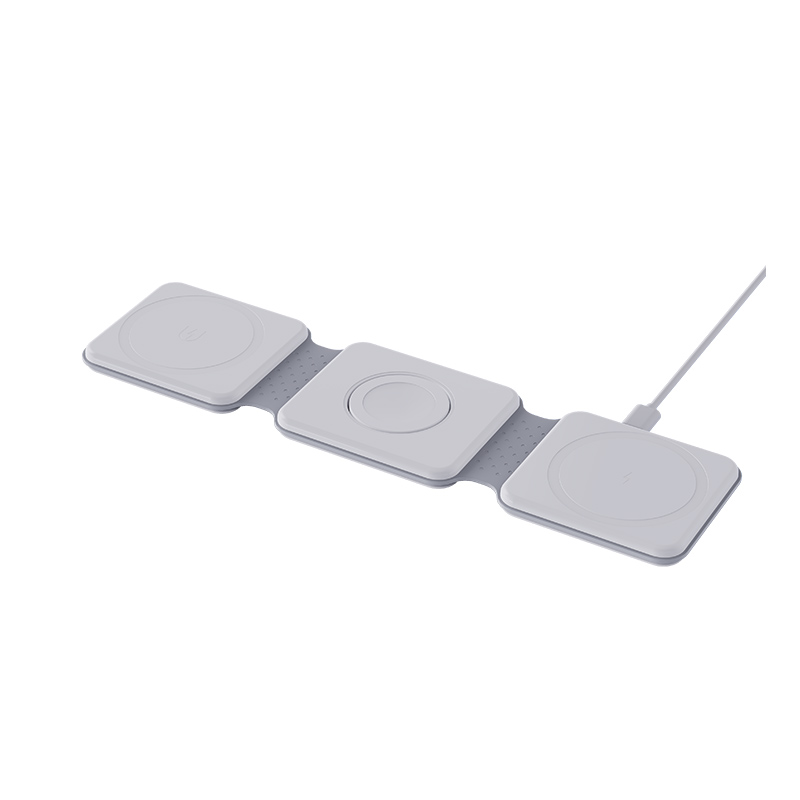
Is wireless charging energy efficient? Generally less so than charging with a cable. Some energy is lost in the magnetic coupling between the coils, more is lost when the phone is not aligned, and the extra conversion stages and the heat they produce add further losses. Alignment and good design narrow the gap but do not remove it.
That comparison reflects general industry understanding, not a measurement we are publishing. This guide explains, for brand and OEM buyers, where the losses sit and what to specify so a wireless product wastes as little as practical.
Where wireless charging losses sit
| Loss point | Why it happens | What reduces it |
|---|---|---|
| Coil coupling | Energy moves through a magnetic field between two separate coils | Well-matched coils and a short, consistent gap |
| Misalignment | Coupling weakens when the phone is off-centre | Locating marks, multi-coil layouts or magnetic alignment |
| Conversion stages | Adapter, transmitter drive and receiver each convert power | Efficient adapter and transmitter design |
| Heat | Losses become heat, which can trigger reduced output | A clear thermal path and documented derating |
| Standby | A pad can draw power when nothing is charging | Low idle consumption in the design |
Alignment is the biggest variable
For most users the largest avoidable loss is a phone placed off the coil. Magnetic alignment, as used in Qi2 and MagSafe-compatible products, is designed to keep the phone in the right place every time; the Wireless Power Consortium cites improved energy efficiency from that alignment (WPC). See Qi2 technology.
Heat is both a loss and a limit
Lost energy turns into heat in the pad and in the phone. When either gets warm, charging slows, which makes the session longer and can waste more energy. Thermal design and wireless efficiency are therefore the same problem. See charger thermal design.
What a brand should specify
- The adapter to be bundled or recommended, since the adapter is part of the energy chain.
- The coil route and how alignment is achieved.
- Idle behaviour when no device is present.
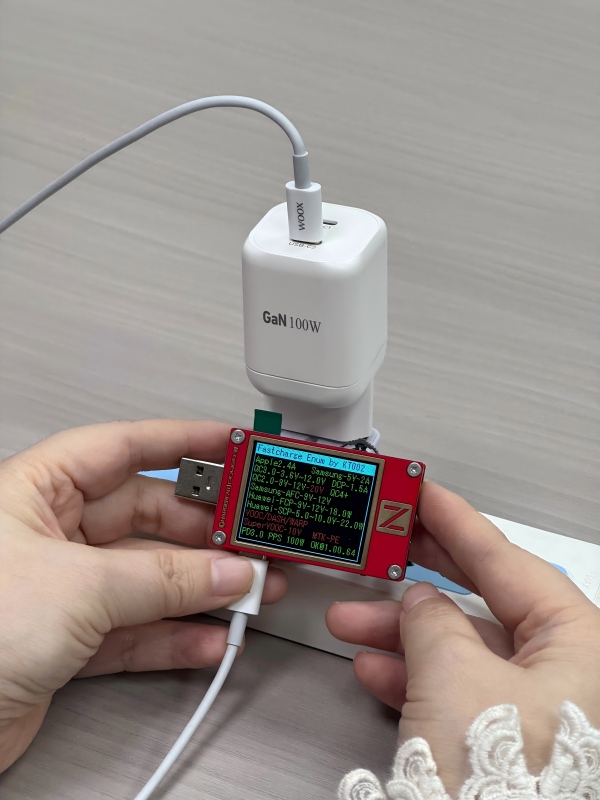
- How efficiency figures, if quoted, were measured: wall-to-battery or transmitter-only, with which device and at what position.
How to read an efficiency claim
Efficiency figures are only comparable when they measure the same span under the same conditions. A transmitter-only figure will look better than a wall-to-battery figure for the same product. Ask for the method before comparing two suppliers, and avoid printing figures on packaging that you cannot reproduce.
FAQ
Does wireless charging use more electricity than a cable?
In general, yes, because of coupling and conversion losses. For a single phone the difference per charge is small in absolute terms, but it is real, and misalignment increases it.
Does magnetic alignment make wireless charging more efficient?
It reduces the loss caused by misalignment, which is usually the largest avoidable loss. It does not make wireless charging equal to a cable.
Should we print an efficiency figure on the box?
Only if it is measured with a stated method you can reproduce. Otherwise describe features, such as magnetic alignment and low standby, instead.
Next step
Send the target devices, the adapter plan and the coil route to Wecent Group through the contact page. We reply with the design options that reduce losses, the idle behaviour and how any efficiency data was measured. Related guides: wireless charging coil design, wireless charging pad specification, wireless charging standards and wireless charger applications. External references: Wireless Power Consortium: Qi wireless charging.