
How do you clean a silicone or soft-touch wireless charger?
Talk · Maintenance · Care, cleaning & lifecycle
How do you clean a silicone or soft-touch wireless charger?
Silicone and soft-touch coatings need gentler cleaning than a hard pad: water and a drop of mild soap on a soft cloth, no alcohol or solvents, and full drying before you plug it in.
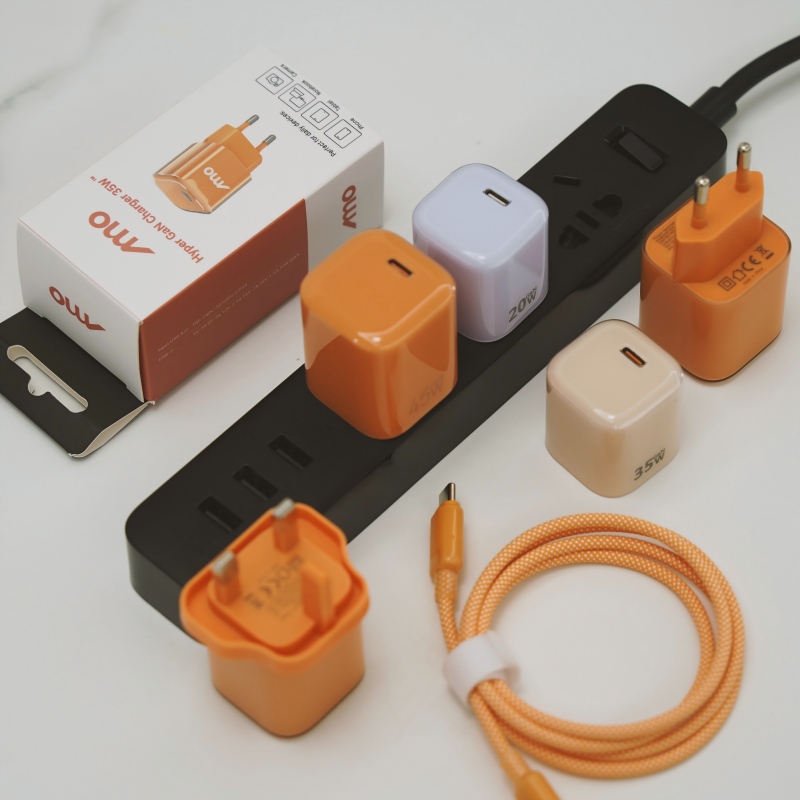
My wireless charger has a rubbery, soft-touch surface. It has picked up fingerprints and lint and feels slightly sticky. Can I clean it like a normal charging pad?
Short answer: Not quite. This guide is for silicone, rubberised and soft-touch coatings; for a standard hard plastic or glass pad, follow our main guide on how to clean a wireless charger. For soft finishes: unplug, wipe with a soft cloth lightly dampened with water and a drop of mild soap, dry it fully, and skip alcohol, solvents and abrasive pads. A coating that stays sticky after cleaning is ageing, not dirty.
How to tell if your charger has a soft-touch finish
A soft-touch or silicone surface feels velvety, grippy or slightly rubbery, and it shows fingerprints and lint more than gloss plastic. Many wireless pads use a silicone ring or top to stop the phone sliding. If you are not sure, treat it as soft-touch: the gentle method is safe on every finish.
Step by step
- Unplug the charger and remove the cable. Let it cool if it was charging.
- Lift lint and dust with a dry microfibre cloth or a strip of tape. Silicone attracts lint, and tape removes it without rubbing.
- Clean marks with a cloth barely damp with water and a very small amount of mild soap. Work in light circles.
- Rinse the cloth in clean water, wring it out, and wipe again to remove soap film, which otherwise feels tacky.
- Dry with a clean cloth and leave it for 10 to 15 minutes before plugging in. Keep liquid away from the USB-C port and seams.
What to avoid on silicone and soft-touch
- Alcohol, including isopropyl wipes. Fine on glass, but it can strip or soften soft-touch coatings and leave them sticky. This is the main difference from cleaning a hard pad.
- Solvents, bleach and degreasers.
- Magic erasers, scouring pads and powders, which polish shiny patches into the matte finish.
- Sprays, soaking or running water.
- Hairdryers or radiators to speed up drying; heat accelerates coating breakdown.
Why soft-touch turns sticky
Soft-touch coatings age with heat, skin oil, sweat and harsh cleaners. A wireless charger is warm while it works, which adds to the effect over the years. If the surface is still tacky after a soap-and-water clean, or starts to peel, the coating is breaking down. That is a cosmetic issue; the charger is still usable as long as the case is not cracked and it charges normally. Do not try to scrub the coating off.
Stains, dye transfer and the magnet ring
Light-coloured silicone can pick up dye from jeans or bags. Clean it soon; old dye stains are often permanent. On magnetic models, fine metal dust collects around the magnet; lift it with tape, as in our note on cleaning around a magnet ring. If the charger also has LED lighting or a display, see maintaining LED-lit wireless chargers for those parts.
Keeping it clean
A quick dry wipe once a week stops lint and oil building up, so you rarely need soap. Keep the charger out of direct sun, which ages coatings faster.
Where this answer says to confirm with Wecent, the detail is not published on the product page and has to come from the datasheet or the factory. Everything else is general practice and common industry advice, not a test result for a specific model.
Three more perspectives
Products discussed in this thread
Related articles & topics
- How to clean a wireless charger safely (pad or stand)
- How should LED-lit wireless chargers be maintained?
- Which materials (ABS, aluminium, bamboo, silicone) suit a premium wireless-charger gifting line?
- How should magnetic power banks be cleaned around the magnet ring?
- How often should a shared charging station be cleaned in a clinic or lab?
- How should we clean a GaN charger’s pins and USB-C ports safely?
Have a sourcing question about your own programme?