
A factory visit that starts in the showroom and ends with a conference-room catalogue is a tour, not an audit you have witnessed. This page is a half-day buyer agenda for a charger plant: incoming inspection, SMT and assembly, aging and hipot, traceability on a live unit, and the follow-up requests that turn notes into a file. It is written in the second person because you are the visitor. It is distinct from a document-only checklist already on this site, and it does not claim that any one plant runs every gate in the same way.
Document review still matters; see the due-diligence checklist and document and sample evaluation for that path.
A half-day agenda that starts at incoming inspection, not in the showroom
A half-day factory visit should start at incoming inspection, then follow material into SMT, assembly, aging, hipot and final test, and end with traceability on a live unit. Starting in the showroom leaves those gates unseen. The agenda below is a buyer walk, not a substitute for a certified auditor’s report.
Ask the host, in advance, to have incoming records and a running lot available, and to say which areas are restricted for safety or for other customers’ products. You are not there to disrupt output. You are there to see whether the gates that will sit behind your purchase order are real. Manufacturing context is in GaN charger manufacturing and sourcing.
What to look for on a charger SMT and assembly line without disrupting output
On an SMT or assembly line, look from the aisle: whether work instructions are at the station, whether polarity and part numbers are controlled, whether a first-piece confirmation is recorded, and whether ESD wrist-straps or mats are actually in use, not only on a poster. Do not touch a running magazine or stop a conveyor for a photograph. If you need a closer look, ask the process owner to pause a station they can spare, or to show a recently completed first-piece record. A line that cannot produce that record in the room is telling you something.
Aging racks, hipot and final-test: questions that show whether gates are real
Aging, hipot and final electrical test are industry-typical outgoing gates on a charger line. Ask how long a unit stays on the aging rack, what load it sees, what hipot limit is set, and what happens to a fail: rework, scrap, or a second test. Ask whether the final-test program matches the PDO and allocation table in your specification, and whether that program is written against the current USB-IF Compliance Program and the published USB-IF documents the SKU will claim. Safety-relevant hipot limits should be consistent with the CB or national file for the product, and energy checks, where they apply, with the relevant external power supply rule. Typical gates of this kind are described as industry practice; they are not, by themselves, a claim about one factory. Where a public quality page lists incoming verification, ESD-safe handling, electrical test, pressure test and aging, and a shipment inspection report, you can ask to see those records as worded, not as a slogan.
| Gate you should see | Question that shows it is real | Weak answer |
|---|---|---|
| Incoming inspection | Which items are checked, and where is today’s record? | “We check everything” with no record in the room |
| Aging / burn-in | What duration, what load, what fail path? | A rack of unpowered samples |
| Hipot and final test | What limit, which program revision, what fail path? | A tester that is switched off, or a program that cannot be identified |
Traceability and lot-code evidence a visitor can ask to see on a live unit
Pick a finished unit from a running lot, or a unit at final pack, and ask to walk the lot code backwards: to the test record, to the assembly date, and to incoming lots for a critical part. You are not asking for a lecture. You are asking whether the code on the housing or the carton actually retrieves a file. If the retrieval takes a day and an IT ticket, note that. If it cannot be done at all, that is a finding, not a scheduling issue.
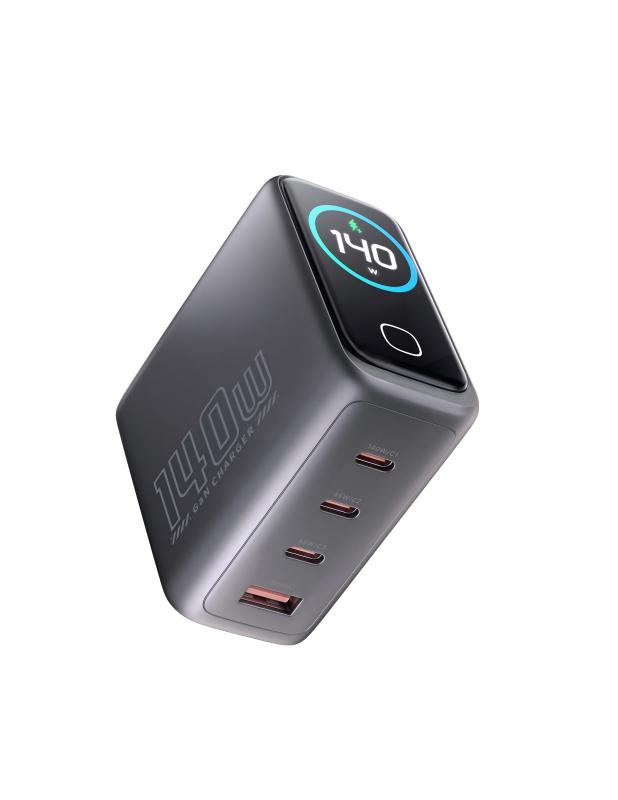
How to sample a running lot and what not to conclude from six pretty pieces
Six polished samples in a meeting room are not a lot. If you are allowed to sample, take units from a running or recently packed lot, record the lot code, and treat the result as a snapshot, not as a process capability study. You cannot conclude a line is stable from six pretty pieces, and you cannot conclude it is failing from one cosmetic mark. What you can conclude is whether the host will let you sample from the line, and whether the units you take match the revision you were shown on paper.
ESD, calibration and document control — short stops that reveal process maturity
Three short stops often say more than a long presentation, and they sit beside a quality-system file such as an ISO 9001 certificate if the factory holds one — a document request, not a claim about any named plant. A Union SKU’s document pack may also need to name instruments such as Directive (EU) 2022/2380. Ask to see an ESD check at a bench, a calibration label on a hipot tester or an electronic load, and a document-control stamp on the work instruction at the station. Expired calibration, a missing instruction, or an ESD point that is not connected are observations you can write down without arguing about them on the floor. A quality page that mentions Manufacturing Operation Instruction sheets and first-piece confirmation gives you the language to ask for those exact records; see quality control for the wording that is actually published, and do not treat marketing lines on the same page as audited facts.
A note-taking sheet that later supports the written audit report
Prepare a one-page sheet: area, time, what you asked, what you were shown, lot codes, names of process owners, and photographs you were allowed to take. Write observations as observations, not as verdicts. The sheet is what you will use to write the visit report and the follow-up list. A memory of a tidy line is not evidence. If an area was refused, write that down too, with the reason given.
What a guided tour is designed to hide, and how to ask for the next room
A guided tour is designed to show a prepared path. You should still walk that path courteously. You should also ask, once, for the next room: the repair area, the warehouse for incoming goods, the place where failed aging units go, the calibration store. Ask as a request, not as an accusation. A host who explains a safety or confidentiality reason is giving you a usable note. A host who only changes the subject is giving you a different usable note. Do not enter a marked-off area on your own.

Follow-up requests after the visit: videos, reports and open non-conformances
On the same day or the next, send a short list: copies of the records you were shown, a video of a gate you could not stand at, calibration certificates for the testers you noted, and a statement of open non-conformances on the line that will run your SKU. Give a reasonable date. The follow-up is part of the agenda, not an afterthought. Compliance documents that sit beside the visit belong with charger compliance and certification.
How this agenda differs from a document-only due-diligence checklist already on the site
A document-only checklist asks what certificates, reports and sample evidence exist, and how they are owned. This agenda asks what you can see on a running line in half a day. One does not replace the other. A strong file with a weak line is a finding; a tidy line with no retrievable record is also a finding. Use both, and keep the visit report in the same pack as the documents. For program discussions after a visit, see charger OEM, ODM and wholesale.
Conclusion
Witness a charger factory by walking incoming inspection, SMT, aging, hipot and final test, and by tracing a live unit, not by sitting in the showroom. Sample a running lot, take notes that can support a report, and send follow-up requests the same day. Use this agenda with, not instead of, the document checklist already on this site.
If your team is planning a factory visit for a charger program and wants to discuss an agenda against a specific site, you can raise that request through the charger OEM, ODM and wholesale page. This is a project discussion, not a claim about any particular audit result.
FAQ
Where should a half-day charger factory visit start?
Start at incoming inspection, then follow material into SMT and assembly, aging, hipot and final test, and end with traceability on a live unit from a running lot. Starting in the showroom leaves those gates unseen. Ask in advance for incoming records and a running lot to be available, and for any restricted areas to be named. The visit is a buyer walk, not a substitute for a certified auditor’s report, and it should be written up on a note sheet the same day, with follow-up requests for the records you were shown.
What can a visitor conclude from six polished meeting-room samples?
Six polished samples in a meeting room are not a lot, and they do not support a process-capability conclusion. If you are allowed to sample, take units from a running or recently packed lot, record the lot codes, and treat the result as a snapshot. You can conclude whether the host will let you sample from the line, and whether the units match the revision you were shown on paper. You cannot conclude that a line is stable, or that it is failing, from six pretty pieces alone.
How does a witness walk differ from a document-only due-diligence checklist?
A document-only checklist asks what certificates, reports and sample evidence exist, and how they are owned. A witness walk asks what you can see on a running line in half a day: incoming records, first-piece confirmation, aging and hipot, calibration labels, and a lot code that retrieves a file. One does not replace the other. A strong file with a weak line is a finding; a tidy line with no retrievable record is also a finding. Use both, and keep the visit report in the same pack as the documents.
What follow-up should a buyer send after a factory visit?
On the same day or the next, send a short list: copies of the records you were shown, a video of a gate you could not stand at, calibration certificates for the testers you noted, and a statement of open non-conformances on the line that will run your SKU. Give a reasonable date. Write observations as observations, including any area that was refused and the reason given. The follow-up is part of the agenda, not an afterthought, and it is what turns a memory of a tidy line into evidence.
{
“@context”: “https://schema.org”,
“@type”: “FAQPage”,
“mainEntity”: [
{
“@type”: “Question”,
“name”: “Where should a half-day charger factory visit start?”,
“acceptedAnswer”: {
“@type”: “Answer”,
“text”: “Start at incoming inspection, then follow material into SMT and assembly, aging, hipot and final test, and end with traceability on a live unit from a running lot. Starting in the showroom leaves those gates unseen. Ask in advance for incoming records and a running lot to be available, and for any restricted areas to be named. The visit is a buyer walk, not a substitute for a certified auditor’s report, and it should be written up on a note sheet the same day, with follow-up requests for the records you were shown.”
}
},
{
“@type”: “Question”,
“name”: “What can a visitor conclude from six polished meeting-room samples?”,
“acceptedAnswer”: {
“@type”: “Answer”,
“text”: “Six polished samples in a meeting room are not a lot, and they do not support a process-capability conclusion. If you are allowed to sample, take units from a running or recently packed lot, record the lot codes, and treat the result as a snapshot. You can conclude whether the host will let you sample from the line, and whether the units match the revision you were shown on paper. You cannot conclude that a line is stable, or that it is failing, from six pretty pieces alone.”
}
},
{
“@type”: “Question”,
“name”: “How does a witness walk differ from a document-only due-diligence checklist?”,
“acceptedAnswer”: {
“@type”: “Answer”,
“text”: “A document-only checklist asks what certificates, reports and sample evidence exist, and how they are owned. A witness walk asks what you can see on a running line in half a day: incoming records, first-piece confirmation, aging and hipot, calibration labels, and a lot code that retrieves a file. One does not replace the other. A strong file with a weak line is a finding; a tidy line with no retrievable record is also a finding. Use both, and keep the visit report in the same pack as the documents.”
}
},
{
“@type”: “Question”,
“name”: “What follow-up should a buyer send after a factory visit?”,
“acceptedAnswer”: {
“@type”: “Answer”,
“text”: “On the same day or the next, send a short list: copies of the records you were shown, a video of a gate you could not stand at, calibration certificates for the testers you noted, and a statement of open non-conformances on the line that will run your SKU. Give a reasonable date. Write observations as observations, including any area that was refused and the reason given. The follow-up is part of the agenda, not an afterthought, and it is what turns a memory of a tidy line into evidence.”
}
}
]
}
