
Charger tooling cost is a commercial file, not a single mould quotation. Ownership, custody, insurance, amortization and exit decide who holds the steel if the program ends, and whether a unit price has already paid for that steel. This page is written for buyers who are about to approve a tool-go on a custom housing, a private-label face, or a family of plug inserts. It will not publish mould prices, amortization month counts or WECENT contract terms.
Program context sits in charger OEM, ODM and wholesale and in GaN charger manufacturing and sourcing.
What “tooling” covers on a charger: housing, buttons, plugs and jigs
On a charger, tooling usually covers the housing mould, any button or shutter tools, the plug or pin inserts, and the jigs and fixtures that hold the product in assembly and test. A quote that names only “the mould” leaves those other items unowned and uninsured, which is a commercial risk, not a wording issue.
Ask for a tooling list, item by item, with a drawing number and a statement of whether each item is unique to the buyer or shared with other customers. A shared family tool is a different commercial object from a dedicated face or logo insert. Jigs and test fixtures are easy to omit and expensive to recreate at a second source.
Ownership, custody and insurance — three questions that belong in the tooling agreement
Ownership, custody and insurance are three different questions. Ownership is who holds title to the steel and the CAD. Custody is where the tool sits and who may use it, including for other customers if the tool is not exclusive. Insurance is who bears loss, damage or wear, and at what replacement value. An agreement that answers only “the buyer owns the mould” has not answered the other two. Put all three in the tooling agreement before a tool-go, and name the storage site.
| Question | What the agreement should state | What a missing answer usually becomes |
|---|---|---|
| Ownership | Title to each tool, insert and CAD file, and when title transfers | A dispute at exit over who may take the steel |
| Custody | The factory address, exclusive or shared use, and sub-contractor rules | A tool used on another program without notice |
| Insurance | Who insures, against what, and on what replacement basis | A damaged tool that nobody is obliged to replace |
Amortization mechanics: units, time and what happens if the forecast misses
If a unit price includes an amortised tooling charge, the agreement should state the number of units, the time window, and what happens if the forecast is missed: a balance due, a write-off, or a revised unit price. A charge that never ends is not amortization. This page does not publish month counts or per-unit figures; those are negotiated numbers the factory should put in the response. A buyer who accepts “amortized in the unit price” without a unit count and an end point is accepting an open-ended cost.
Exit and transfer: how mold steel and CAD move if the factory relationship ends
Exit clauses should say how and when the steel, the electrodes, the CAD and the process sheets move, who pays freight and export formalities, and in what condition the tool must be. A “buyer owns the mould” sentence that does not describe a transfer process is not an exit clause. Ask for a reasonable notice period, a right to inspect the tool before shipment, and a statement that CAD will be delivered in a usable native or neutral format. Second-source planning depends on that file, not on a photograph of the steel.
Family tooling: when a second color or plug can share a tool, and when it cannot
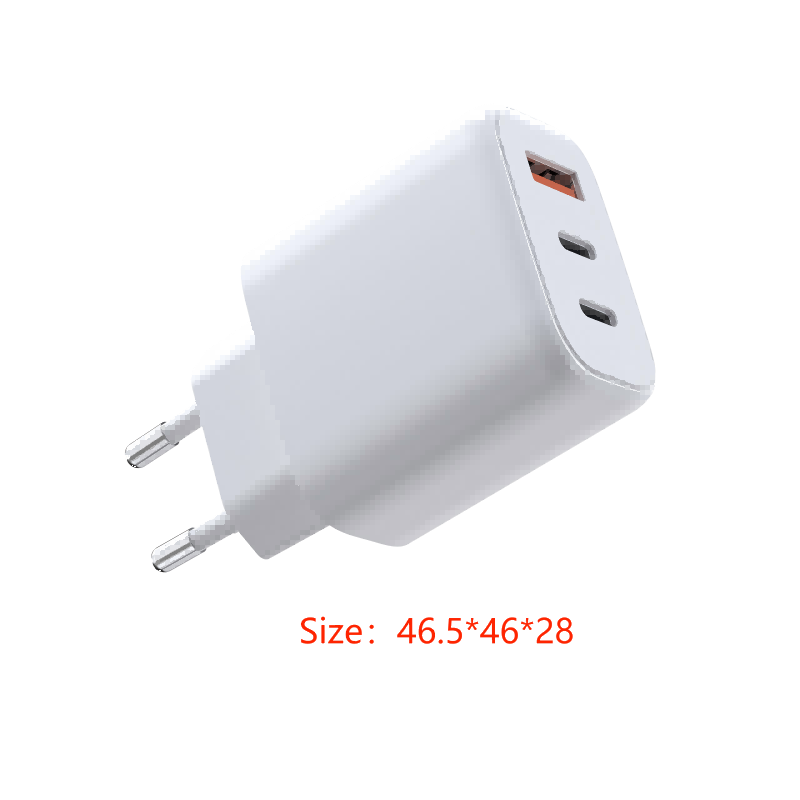
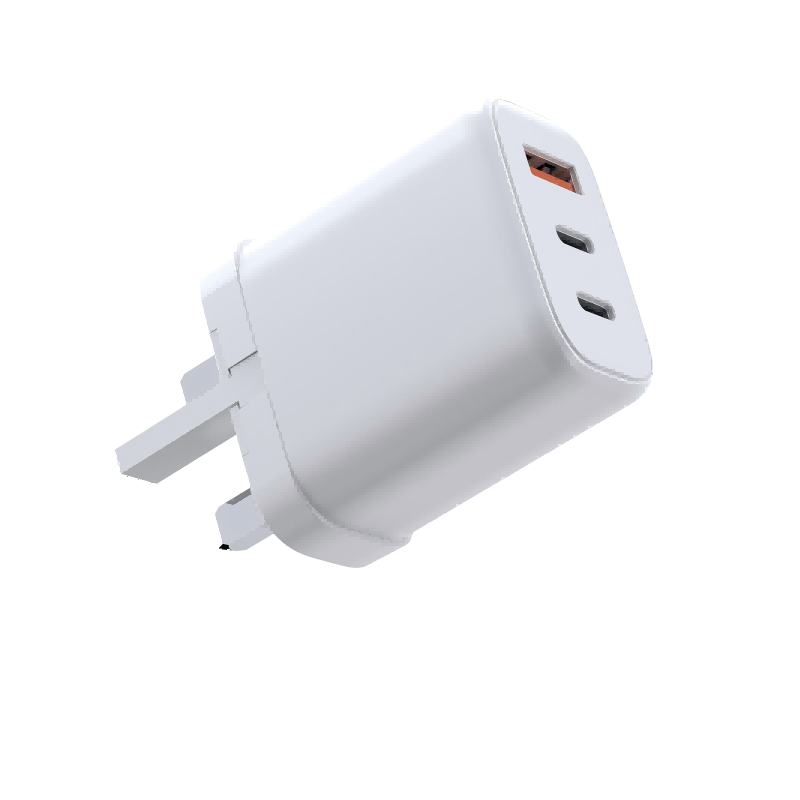
A second colour of the same housing often shares a mould and changes only resin and a colour standard. A second plug family may share a housing tool and need a new pin insert, a new shutter, or a new safety report. A foldable pin or a different pin standard is not a colour change. The RFQ should ask, for each variant, which tools are shared and which are unique, and whether a new CB or national file is required when the plug changes. Shared steel is a saving only when the shared scope is written down.
Modifications and repair responsibility during a running program
During a running program, housings wear, inserts crack, and artwork changes. The agreement should say who pays for ordinary repair, who pays for a design change the buyer requests, and who pays when a change is required by a standard edition or a failed test. A modification that changes a safety-relevant dimension may require a new evaluation, including USB or energy work against the current USB-IF Compliance Program and the published USB-IF documents, or an external power supply rule, if those apply. Repair records should sit with the tool history, not only in a maintenance chat.
NRE versus unit price: how quotes hide unpaid steel
A low unit price that assumes the buyer has already paid for steel is not comparable to a unit price that still has to fund a mould. Ask for NRE and tooling as separate lines, with a statement of what is included, and a statement of any steel still unpaid. The comparison is then on the same commercial basis. For how a complete bid package asks those questions, the RFQ path sits beside this page; the due-diligence file is the supplier checklist.
IP and design-protection links to an existing NDA article — without repeating it
Tooling CAD and industrial-design files are intellectual-property objects as well as pieces of steel. The non-disclosure and design-protection questions that belong before a drawing is shared are already set out in the existing article on a supplier NDA and charger design protection. This page does not repeat that guidance. It only requires that the tooling agreement and the NDA point at the same design files, so an exit that moves steel also moves the CAD the buyer is entitled to hold.
A buyer checklist before approving a tool-go
Before a tool-go, a buyer should have: a complete tooling list; answers on ownership, custody and insurance; an amortization formula with a unit count and an end point, or a statement that tooling is paid as NRE; an exit and transfer process for steel and CAD; a variant list that says which tools are shared; a repair-and-modification rule; and a confirmation that safety and protocol files will be updated if the tool changes a relevant dimension. The document and sample evaluation page can carry the sample evidence that sits beside that list. Certification consequences belong with charger compliance and certification.
What this article will not do: publish mold prices or WECENT contract terms
This article will not publish mould prices, hourly tool-shop rates, amortization month counts, or any clause presented as WECENT’s standard contract wording. Those figures and terms are negotiated, and inventing them would mislead a comparison. The useful deliverable is the list of questions a factory can answer in its own numbers, and the redlines a buyer can apply when an answer is missing. A Union plug-variant program may also have to name instruments such as Directive (EU) 2022/2380 in the certification file that follows the tool, which is a document cost, not a mould price.
Conclusion
Approve a tool-go when ownership, custody, insurance, amortization and exit are written against a complete tooling list, including plugs and jigs. Treat a unit price that hides unpaid steel as an incomplete quote. Leave published mould prices and invented contract clauses out of the file; require the factory’s own figures instead.
If your team is preparing a tool-go on a custom charger housing or plug family, you can send the intended scope through the charger OEM, ODM and wholesale page. This is a request for a project discussion, not a publication of tooling prices or contract terms.
FAQ
How much does it cost to leave a phone charger plugged in?
This question is about no-load energy use of a finished product, not about charger tooling. The cost depends on the charger’s no-load consumption and on the local electricity tariff, both of which must be measured or looked up for a specific SKU and a specific site. This article does not publish energy prices or no-load wattages, and it will not invent them. A buyer who needs a no-load figure should require it in the specification and measure it on a sample. The commercial subject of this page is tooling ownership, amortization and exit, which are a different cost file.
How much does supercharging cost?
If “supercharging” is used for a public electric-vehicle charging session, that is a vehicle-energy question, and this site does not make car chargers. This article does not publish electricity tariffs or session prices, and it will not invent them. If the question is used loosely for a fast phone-charger session, the energy cost still depends on a measured consumption and a local tariff. Neither reading is a mould-price or tooling-amortization question. For a custom charger program, the cost file that this page does address is tooling ownership, custody and exit.
How much does it cost to maintain a Dodge Charger?
A Dodge Charger is a motor vehicle. This article is about mould tooling for a USB charger program, and this site does not make car chargers or publish vehicle maintenance prices. We will not invent a maintenance cost for that vehicle. If a buyer arrived here looking for vehicle information, the honest answer is to consult the vehicle maker’s current support material. If the buyer is here for a custom USB charger program, the maintenance questions that belong on this page are tool repair responsibility and who pays for a design change during a running program.
How much does it cost to replace a phone charging port?
Replacing a phone charging port is a device-repair question. This article does not publish repair prices, and it will not invent them. A port replacement on a handset is also not a mould-amortization figure for an OEM charger housing. If the port failed because of a cable or a charger, the useful OEM questions are specification, strain relief and after-sales for the charger, which are adjacent topics, not a price. The cost file this page discusses is tooling ownership and exit for a custom charger program, without published mould prices.
{
“@context”: “https://schema.org”,
“@type”: “FAQPage”,
“mainEntity”: [
{
“@type”: “Question”,
“name”: “How much does it cost to leave a phone charger plugged in?”,
“acceptedAnswer”: {
“@type”: “Answer”,
“text”: “This question is about no-load energy use of a finished product, not about charger tooling. The cost depends on the charger’s no-load consumption and on the local electricity tariff, both of which must be measured or looked up for a specific SKU and a specific site. This article does not publish energy prices or no-load wattages, and it will not invent them. A buyer who needs a no-load figure should require it in the specification and measure it on a sample. The commercial subject of this page is tooling ownership, amortization and exit, which are a different cost file.”
}
},
{
“@type”: “Question”,
“name”: “How much does supercharging cost?”,
“acceptedAnswer”: {
“@type”: “Answer”,
“text”: “If “supercharging” is used for a public electric-vehicle charging session, that is a vehicle-energy question, and this site does not make car chargers. This article does not publish electricity tariffs or session prices, and it will not invent them. If the question is used loosely for a fast phone-charger session, the energy cost still depends on a measured consumption and a local tariff. Neither reading is a mould-price or tooling-amortization question. For a custom charger program, the cost file that this page does address is tooling ownership, custody and exit.”
}
},
{
“@type”: “Question”,
“name”: “How much does it cost to maintain a Dodge Charger?”,
“acceptedAnswer”: {
“@type”: “Answer”,
“text”: “A Dodge Charger is a motor vehicle. This article is about mould tooling for a USB charger program, and this site does not make car chargers or publish vehicle maintenance prices. We will not invent a maintenance cost for that vehicle. If a buyer arrived here looking for vehicle information, the honest answer is to consult the vehicle maker’s current support material. If the buyer is here for a custom USB charger program, the maintenance questions that belong on this page are tool repair responsibility and who pays for a design change during a running program.”
}
},
{
“@type”: “Question”,
“name”: “How much does it cost to replace a phone charging port?”,
“acceptedAnswer”: {
“@type”: “Answer”,
“text”: “Replacing a phone charging port is a device-repair question. This article does not publish repair prices, and it will not invent them. A port replacement on a handset is also not a mould-amortization figure for an OEM charger housing. If the port failed because of a cable or a charger, the useful OEM questions are specification, strain relief and after-sales for the charger, which are adjacent topics, not a price. The cost file this page discusses is tooling ownership and exit for a custom charger program, without published mould prices.”
}
}
]
}