
A private-label charger looks inexpensive when only the unit price is on the page. It looks different when NRE, certification and packaging are written as their own buckets and compared on the same BOM. This page is a program-cost worksheet for accessory brands and device OEMs, not a price list and not another MOQ explainer. It will not publish sample prices, margins or unpublished NRE figures.
The commercial path sits next to charger OEM, ODM and wholesale and GaN charger manufacturing and sourcing.
The four cost buckets a private-label quote should show separately
A private-label charger quote should show four cost buckets separately: NRE and industrial-design work, certification and its maintenance, packaging and artwork, and the unit price of the brick. A single blended figure hides which costs are one-off, which recur, and which were simply omitted from the comparison.
Those four buckets are the columns of a worksheet, not a factory’s secret formula. Two quotes can be compared only when each column is filled on the same scope. A lower unit price that has moved certification or a cable into a later invoice is not a lower program cost until those lines are added back.
| Bucket | Typical contents | One-off or recurring |
|---|---|---|
| NRE and industrial design | Drawings, samples, logo tooling, unique jigs | Mostly one-off; revisions can recur |
| Certification | Safety, EMC, energy, national registration, USB-IF if a logo is used | Initial filing plus maintenance and re-tests |
| Packaging and artwork | Cartons, inlays, manuals, barcodes, photo packs | Setup then a per-unit and per-revision cost |
| Unit price | BOM, labour, test gates, yield, freight basis | Recurring, and sensitive to volume bands |
NRE, samples and industrial-design fees — what is one-off and what recurs
NRE should list what is being paid for: industrial design, a unique face or logo insert, quotation samples, and any fixture that will not be used for another customer. A later artwork change, a new plug variant or a failed-sample respin is a recurring NRE, not a surprise. Ask how many samples are included and on which revision they will be built. This page does not publish those fees. It asks the factory to put them in their own column so two responses can be added on the same sheet.
Certification and annual-maintenance costs by target market, as a planning list
List each target market as a planning line: the safety standard edition, any national registration, EMC and energy filings, and USB-IF work if a logo will be used. Include a line for maintenance, surveillance or a re-test when a standard edition changes. A CB report is planning evidence for a multi-market safety file; it is not a national mark. For a Union SKU, name the applicable instrument, such as Directive (EU) 2022/2380, and any external power supply rule that applies. This is a list of work to be priced, not a table of fees. See charger compliance and certification for the document path.
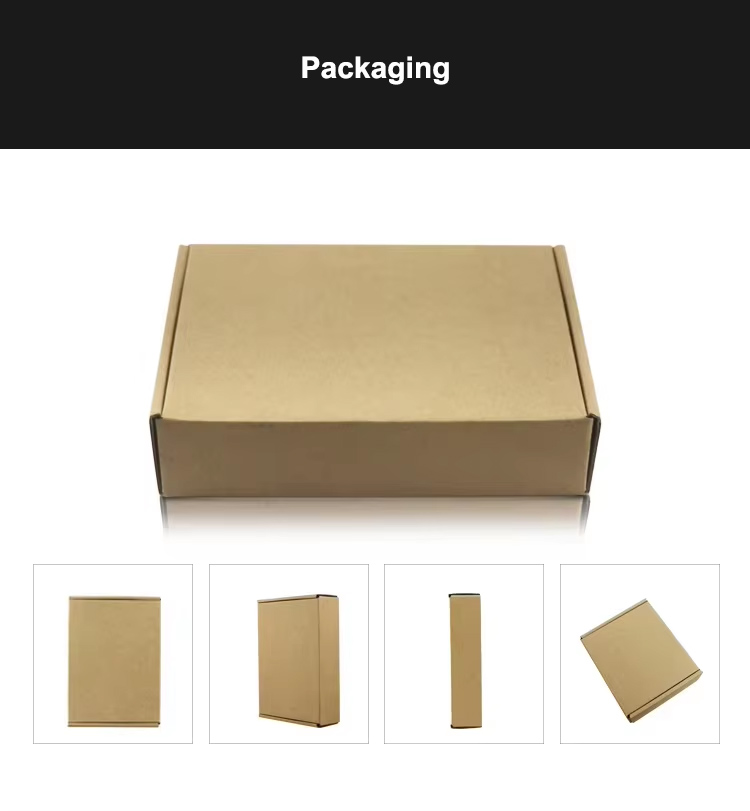
Packaging, manuals, barcodes and photo packs that arrive after the brick is quoted
Packaging is often quoted after the brick, which is how a “cheap” unit price loses its advantage. The RFQ should include inner and outer cartons, inlays, labels, manuals, barcode structures and a photo pack for the listing. A barcode that must follow a GS1 barcode allocation is a setup cost as well as a per-unit cost. Artwork revisions should have a stated charge and a stated lead time. Leaving these items “to be confirmed” is a hole in the worksheet, not a saving.
Unit price drivers: GaN FET, capacitors, ports, and cosmetic process
Unit price moves with the power stage, the capacitor specification and lifetime rating, the number and type of ports, and the cosmetic process: paint, logo, texture and inspection. A multi-port allocation that must hold two laptops is a different BOM from a single-port 100 W brick. Ask the factory to state the BOM assumptions that sit behind the unit price, at a level that allows comparison, without demanding a proprietary recipe. Two unit prices without those drivers are two headlines, not two quotes.
How to compare two quotes on the same BOM and the same certification list
Put both quotes on one sheet with the same electrical table, the same certification list and the same packaging scope. Add NRE, samples and any unpaid tooling. A response that omits a burn-in, a hipot, a kit cable or a national filing must have those lines added at a stated cost, or marked as excluded. The due-diligence checklist and the document and sample evaluation page carry the evidence that sits beside the numbers.
The hidden cost of a cheaper unit price: unpaid tests, shorter capacitor life, missing cables
A cheaper unit price is often a shorter test list, a lower-grade capacitor, a missing kit cable, or a certification that has been deferred. Those are not savings until the buyer is willing to carry the risk. Ask what outgoing tests are included, what capacitor lifetime is specified, and whether a cable is in the kit. Then add the cost of bringing the cheaper quote up to the same scope. The comparison that matters is the completed program, not the first line of the quotation.
A simple program-cost worksheet a buyer can fill without a factory’s secret numbers
The worksheet has one row per bucket, a column for factory A and a column for factory B, and a notes column for what is excluded. The buyer fills the rows from the two responses. There is no need for a factory’s internal margin. Where a figure is missing, the cell stays blank and becomes a redline, not a zero. The sheet should also carry the revision letter of the RFQ, so a later electrical change is not compared with an earlier price.

Where MOQ belongs in the math — and why this is not another MOQ explainer
Minimum order quantity belongs in the volume band that sets the unit price, not as a fifth mystery bucket and not as a site figure copied into the worksheet as if it were already negotiated. A quantity that appears on a website is a site statement until the response confirms it. This page will not treat any published starting quantity as a contract fact, and it will not repeat a stand-alone MOQ explainer. It only requires that each factory state its own bands against the same forecast the buyer can defend.
Claims this article will not make: sample prices, margins, or unpublished NRE figures
This article will not publish sample prices, factory margins, or NRE figures that have not been offered in a live quotation. Invented numbers would make two worksheets look comparable when they are not. The honest output is a set of empty columns a factory can fill, and a rule that a blank cell is a redline. Buyers who need a bid-package structure can carry those columns into the RFQ itself.
Conclusion
Compare private-label charger quotations on four buckets — NRE, certification, packaging and unit price — filled against the same BOM and the same certification list. A cheaper unit price that omits tests, capacitors or cables is not a cheaper program. Leave sample prices, margins and unpublished NRE figures out of the page, and require the factory’s own numbers instead.
If your team is building a private-label charger cost worksheet and wants to discuss a specific SKU scope, you can send that scope through the charger OEM, ODM and wholesale page. This is a request for a project discussion, not a price offer.
FAQ
How much does it cost to build a charging station?
A charging station is a different product from a private-label USB charger brick. This article does not publish construction or equipment prices for a station, and it will not invent them. If the question was asked about a wall-charger program, the useful answer is a four-bucket worksheet: NRE, certification, packaging and unit price, filled from a factory’s own quotation against a stated BOM. Those buckets are planning columns, not a price list. A station project needs its own electrical, civil and certification file, which this page does not provide.
Which charger brand is the best?
This article will not name a best charger brand. “Best” is not a comparable specification. Two private-label quotations can be compared on the same BOM, the same certification list, and the same four cost buckets. A brand that publishes a lower unit price but omits tests, cables or filings is not, on that evidence, a better choice. The honest selection is the response that completes the worksheet and can be evidenced with reports and samples, not a ranking of brand names.
What is the cost of a charger?
There is no single cost of a charger. A private-label program has at least four buckets — NRE, certification, packaging and unit price — and those figures are negotiated for a stated electrical table and a stated market list. This article will not publish a unit price, a sample price or an NRE figure. A buyer who needs a number should issue an RFQ and fill a worksheet from the responses, adding any excluded tests or kit items before comparing two factories on the same scope.
Do you have to buy an iPhone 17 charger separately?
This article will not invent what is in any current Apple carton, including for an iPhone 17. Whether a handset is sold with a charger is a decision of the device brand and of the market’s unbundling rules. In the Union, the common-charger framework requires that a device can be offered without a charging device; the device brand’s current offer is the place to read what is in the box. For an accessory brand, the relevant cost question is the four-bucket worksheet for a private-label brick, not a handset carton.
{
“@context”: “https://schema.org”,
“@type”: “FAQPage”,
“mainEntity”: [
{
“@type”: “Question”,
“name”: “How much does it cost to build a charging station?”,
“acceptedAnswer”: {
“@type”: “Answer”,
“text”: “A charging station is a different product from a private-label USB charger brick. This article does not publish construction or equipment prices for a station, and it will not invent them. If the question was asked about a wall-charger program, the useful answer is a four-bucket worksheet: NRE, certification, packaging and unit price, filled from a factory’s own quotation against a stated BOM. Those buckets are planning columns, not a price list. A station project needs its own electrical, civil and certification file, which this page does not provide.”
}
},
{
“@type”: “Question”,
“name”: “Which charger brand is the best?”,
“acceptedAnswer”: {
“@type”: “Answer”,
“text”: “This article will not name a best charger brand. “Best” is not a comparable specification. Two private-label quotations can be compared on the same BOM, the same certification list, and the same four cost buckets. A brand that publishes a lower unit price but omits tests, cables or filings is not, on that evidence, a better choice. The honest selection is the response that completes the worksheet and can be evidenced with reports and samples, not a ranking of brand names.”
}
},
{
“@type”: “Question”,
“name”: “What is the cost of a charger?”,
“acceptedAnswer”: {
“@type”: “Answer”,
“text”: “There is no single cost of a charger. A private-label program has at least four buckets — NRE, certification, packaging and unit price — and those figures are negotiated for a stated electrical table and a stated market list. This article will not publish a unit price, a sample price or an NRE figure. A buyer who needs a number should issue an RFQ and fill a worksheet from the responses, adding any excluded tests or kit items before comparing two factories on the same scope.”
}
},
{
“@type”: “Question”,
“name”: “Do you have to buy an iPhone 17 charger separately?”,
“acceptedAnswer”: {
“@type”: “Answer”,
“text”: “This article will not invent what is in any current Apple carton, including for an iPhone 17. Whether a handset is sold with a charger is a decision of the device brand and of the market’s unbundling rules. In the Union, the common-charger framework requires that a device can be offered without a charging device; the device brand’s current offer is the place to read what is in the box. For an accessory brand, the relevant cost question is the four-bucket worksheet for a private-label brick, not a handset carton.”
}
}
]
}